.svg)
.avif)


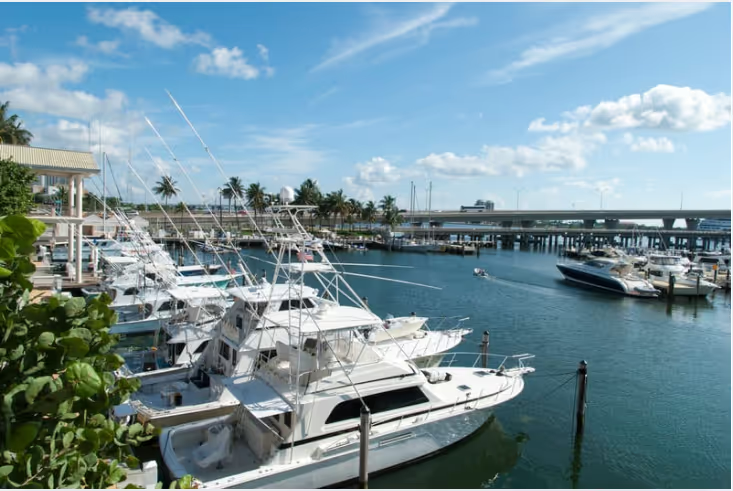
Michigan’s boat show season is more than a showcase of new vessels and marine gear—it’s the unofficial kickoff to spring boating across the state. As boaters wander through showrooms and expo halls, they’re met with the excitement of upgraded equipment, new technology, and the anticipation of an early launch once the ice melts. For many, it’s the moment winter finally starts to feel like it’s ending.
But before returning to the water, it’s essential to think beyond new accessories and summer plans. Boating safety, legal compliance, and proper insurance coverage form the foundation of a responsible—and enjoyable—season. Each year, preventable injuries and financial setbacks occur because of overlooked recalls, outdated or non-compliant safety gear, and inadequate insurance policies. Taking time now to address these areas helps protect everyone aboard when spring arrives.
Understanding Seasonal Boat Recalls Before Spring
Why Recalls Surge During Boat Show Season
Boat show season often coincides with an uptick in recall announcements. Manufacturers preparing to release new models frequently identify defects in prior-year equipment. At the same time, winter storage gives owners and technicians more opportunities to spot issues that weren’t visible during summer use. As these findings accumulate, recall notices increase—affecting both first-time buyers and long-time boat owners. Whether you’re purchasing a display model or prepping last year’s craft, understanding recall risks is crucial.
Common Types of Boat and Equipment Recalls
Recalls can affect nearly every part of a vessel. Some of the most common include:
- Engine failures and fuel-system defects, which may cause stalling, fuel leaks, or fire hazards.
- Steering-system malfunctions, often leading to loss of control.
- Electrical hazards, including faulty wiring, battery issues, or overheating components.
- Hull defects that compromise flotation, stability, or structural integrity.
- Safety-gear recalls, such as malfunctioning marine electronics, expired or defective life jackets, and emergency signaling devices.
Any of these issues can turn a routine outing into a dangerous situation.
How to Check for Recalls
Before launching in spring, every boat owner should conduct a recall check. Start by locating your HIN (Hull Identification Number)—typically found on the transom. With this number, you can:
- Search the U.S. Coast Guard recall database
- Review the manufacturer’s website
- Confirm your warranty registration
- Report any suspected defects directly to the Coast Guard
Many owners only discover recalls after an accident, so early detection is vital.
Why Ignoring a Recall Can Become a Legal Issue
A recall isn’t just a technical alert—it’s a safety and liability concern. If an injury occurs because of a known defect, several problems may arise:
- Liability exposure: Owners may be held partially responsible for ignoring recall notices.
- Insurance complications: Claims can be denied when a recalled component contributed to the incident.
- Vendor responsibility: Sellers, marinas, and repair facilities may be liable if they failed to disclose or correct known issues.
Understanding and addressing recalls helps prevent both accidents and legal challenges.
Michigan Personal Flotation Device (PFD) Rules and Requirements
Overview of State and Federal Regulations
Before boating season begins, it’s important to review both U.S. Coast Guard (USCG) standards and Michigan’s unique boating laws, which vary depending on whether you’re on an inland lake, river, or the Great Lakes. PFD requirements are enforced statewide, and non-compliance can lead to citations—especially during the busier spring and summer months.
Required PFD Types for Different Vessels
Michigan law requires that all vessels carry USCG-approved flotation devices appropriate for their size and use:
- Type I, II, III, and V wearable PFDs for each person onboard
- Type IV throwable devices for most motorized vessels
- Specific rules for kayaks, canoes, paddleboards, and personal watercraft (PWC), which must have accessible and properly fitted wearables
Not all PFDs offer the same level of buoyancy or performance, so selecting the correct type is essential.
PFD Requirements for Children
Michigan enforces strict child PFD laws:
- Children under 6 years old must wear a USCG-approved PFD whenever riding on the open deck of a boat.
- Proper fit is mandatory—child-sized PFDs should secure snugly without riding up or slipping off.
- Violations can result in fines and, more importantly, increased risk of preventable injury.
Ensuring children are protected is one of the most important responsibilities a boater has.
Evaluating PFD Condition Before Spring
A device that looks fine at first glance may not perform correctly in an emergency. Before launching this spring:
- Check PFDs for expiration dates, fabric tears, mold, or UV deterioration.
- Confirm the presence of USCG-approved labeling.
- Test straps, buckles, and zippers to ensure they function properly.
- Inspect inflatable PFDs carefully—older cartridges and bladders may fail without warning.
Replacing worn or outdated flotation gear is one of the easiest ways to keep your boating season safe.
Spring Insurance Checkup for Michigan Boat Owners
Understanding Your Policy
Boating policies vary widely, and many owners mistakenly assume they have full protection when their coverage is actually limited.
- Liability-only vs. comprehensive coverage: Liability coverage protects others if you cause an accident, but it does not repair or replace your own boat. Comprehensive policies may cover theft, vandalism, fire, grounding, collision, or storm damage.
- Coverage gaps: Many boat owners do not realize their policy excludes towing, salvage costs, storm damage, or fire-related losses—all common issues on Michigan waters.
- Why homeowner’s insurance is not enough: Homeowner’s policies typically provide little to no coverage for boating accidents, especially for larger vessels or motorized craft. Relying on homeowner’s insurance can leave you financially exposed.
Insurance Requirements for Marinas, Storage Facilities & Registrations
Before the season begins, marinas and storage facilities often require proof of insurance.
- Slip rental and storage policies: Many marinas mandate liability insurance before allowing a boat to occupy a slip or undergo seasonal storage.
- Proof of coverage: Expect to provide an updated declarations page before launch or docking.
- Storm-damage assessments: Some facilities require specific coverage to address high-risk periods, especially during Michigan’s early-spring storms.
Failing to meet these requirements may delay your launch or leave your vessel unprotected.
Uninsured / Underinsured Boater Coverage
Michigan’s waterways draw thousands of boaters each year, but not all of them carry sufficient—or any—insurance.
- Why uninsured operators are a serious risk: Collisions involving uninsured boaters happen more often than most owners realize.
- How this coverage protects you: If you or your passengers are injured by a boater with inadequate insurance, uninsured/underinsured coverage helps pay for medical expenses, lost wages, and property damage.
This coverage is one of the most overlooked yet most valuable protections for Michigan boaters.
Updating Your Policy for New Purchases
Boat show season is prime time for new purchases and equipment upgrades.
- New boats: Whether you buy a show model or place an order for spring delivery, your insurance policy must reflect the new vessel immediately.
- Added accessories: Electronics, trolling motors, safety equipment, tow gear, and other upgrades may require additional or scheduled coverage.
- Documenting upgrades: Maintain receipts and installation records to support future claims.
A properly updated policy ensures that new investments are fully protected.
Preparing Your Vessel for a Safe Spring Launch
Mechanical & Structural Inspection
Cold winters can take a toll on any boat. Before your first trip:
- Complete an engine tune-up, and inspect belts, hoses, and all fuel-line components.
- Conduct a hull inspection for cracks, blistering, or delamination—issues that may worsen as temperatures rise.
- Test the electrical system and evaluate batteries for corrosion or reduced capacity.
Addressing these issues on land prevents breakdowns—and dang
erous situations—on the water.
Safety Equipment Review
Michigan law requires certain safety equipment, but responsible boaters go beyond the minimum.
- Confirm that your fire extinguishers, navigation lights, flares, radios, and sound-producing devices comply with regulations.
- Replace expired or damaged items.
- Update first-aid kits and emergency supplies.
Well-maintained equipment can save lives when unexpected weather or mechanical problems arise.
Trailer Safety & Transportation Readiness
Your trailer is just as important as the boat it carries.
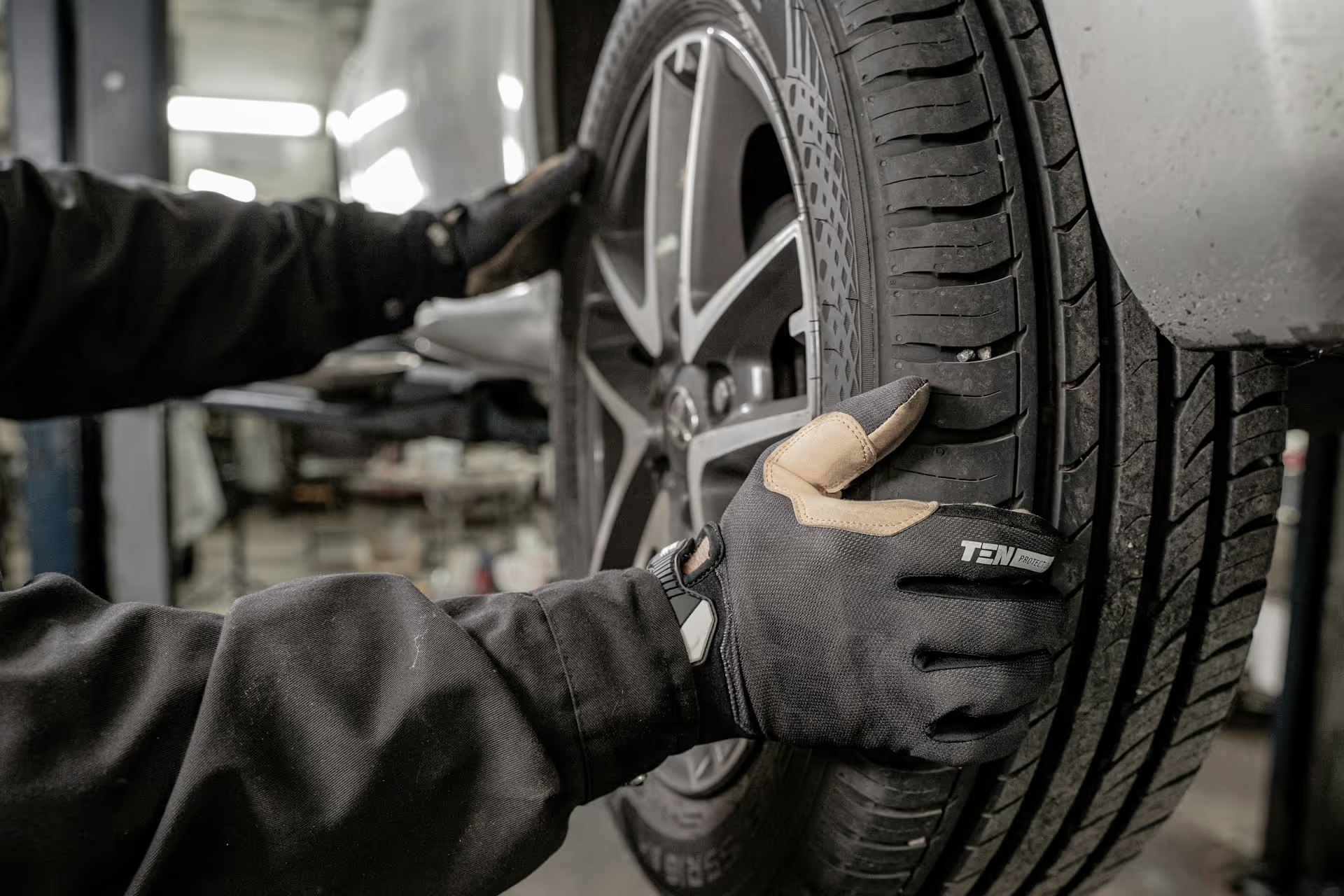
- Inspect tires, brakes, and lighting systems before towing.
- Ensure hitches, chains, and straps comply with Michigan towing laws.
- Look for rust or structural wear, especially around the frame and winch.
A safe trailer minimizes the risk of roadside emergencies and protects your vessel from transport-related damage.
Your Safe Boating Season Starts with Proper Preparation
Preparing for spring boating means more than waxing the hull and polishing chrome. It requires thoughtful attention to the safety and reliability of every component on your vessel—from checking for recalls to ensuring PFDs meet current standards and confirming your insurance coverage truly protects you. These steps are essential to safeguarding yourself, your loved ones, and anyone who joins you on the water.
Despite your best efforts, accidents can still happen—whether from defective equipment, negligent maintenance, or careless operators. When preventable harm occurs, you deserve a legal team committed to standing beside you with integrity, clarity, and unwavering support. Liss, Shapero & Mitnick has spent decades helping injured Michiganders navigate the complex aftermath of recreational and boating injuries, always placing the client’s story and well-being at the center of every case.
Contact Liss, Shapero & Mitnick Today
Liss, Shapero & Mitnick
2695 Coolidge Highway
Berkley, MI 48072
Phone: 248-584-1300
Toll-Free: 1-855-LISS-LAW (1-855-547-7529)
Fax: 248-584-1323