.svg)
.avif)


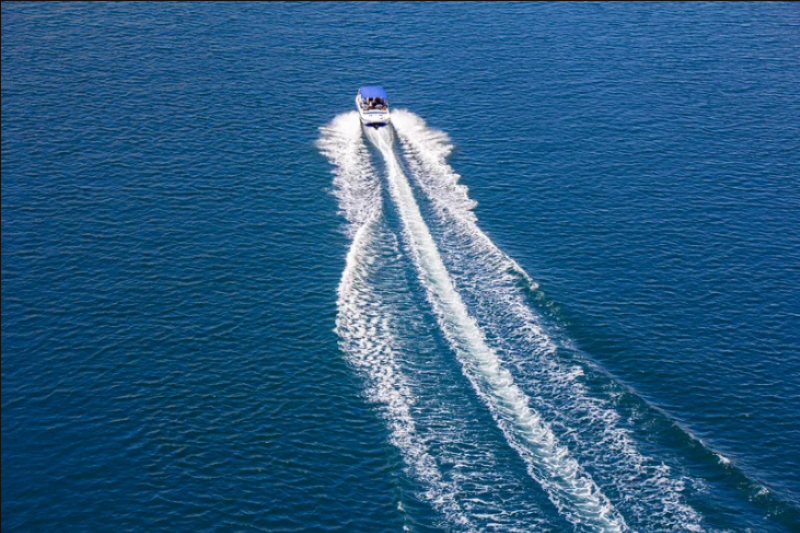
As winter fades across Michigan, lakes and waterways begin to come back to life. Boats are uncovered, marinas reopen, and families start preparing for weekends on the water. For many, boating season represents freedom, relaxation, and time spent with friends and loved ones.
But before that first launch, preparation is critical. Boats that have been stored for months may have mechanical issues, safety equipment may be outdated, and operators may be out of practice. These factors, combined with increased traffic on the water, can create serious risks early in the season.
Boating accidents often happen when least expected—during routine outings, calm conditions, or familiar routes. Whether it involves a collision, a fall onboard, or a PWC jet ski accident, the consequences can be severe and long-lasting.
Understanding liability, insurance coverage, and safety responsibilities before heading out can make all the difference. When something goes wrong, knowing your rights—and who may be responsible—is essential.
Preparing Your Boat for the Season
Mechanical Inspection and Maintenance
After months in storage, even well-maintained boats can develop issues that aren’t immediately visible. A thorough inspection before the first launch is one of the most important steps you can take to reduce risk on the water.
- Check engine performance, including fuel lines, filters, and fluid levels
- Inspect the battery for charge, corrosion, and secure connections
- Test steering and throttle response to ensure full control
- Examine electrical systems, lights, and onboard electronics
- Look for signs of wear or damage caused by winter storage
Small mechanical issues can quickly escalate into dangerous situations once you’re on the water, especially in crowded or fast-moving environments.
Required Safety Equipment
Proper safety equipment is not just recommended—it’s essential. Having the right gear onboard can make the difference between a manageable situation and a serious emergency.
- Life jackets for every passenger, properly fitted and accessible
- Fire extinguishers that are up to date and fully functional
- Visual and audible signaling devices, such as flares or horns
- Emergency kits including first aid supplies and basic tools
- Reliable communication devices, such as marine radios or charged mobile phones
Taking the time to review and update your safety equipment ensures you are prepared for unexpected situations.
Compliance with Michigan Boating Laws
Before launching your boat, it’s important to confirm that you are fully compliant with Michigan boating laws. These regulations are designed to promote safety and accountability on the water.
- Ensure your boat registration and documentation are current
- Verify that operators meet required safety certification standards
- Stay informed about any updates to local or state boating regulations
Failing to comply with these requirements can not only result in fines but may also impact liability if an accident occurs.
Operator Responsibility and Negligence on the Water
What Constitutes Operator Negligence
Operating a boat carries the same responsibility as driving a vehicle—if not more. Waterways are less structured than roads, which makes awareness and judgment critical.
Operator negligence can take many forms, including:
- Speeding or operating recklessly in crowded or restricted areas
- Operating under the influence of alcohol or drugs
- Failing to maintain a proper lookout for other boats, swimmers, or obstacles
Inexperience and Early-Season Risks
At the start of boating season, many operators are returning to the water after months away. This gap can affect both skill and confidence.
- Operators may be out of practice handling their vessel
- Distances and speeds can be misjudged, especially in busy areas
- Water levels, currents, and hazards may have changed since the previous season
Legal Impact of Operator Negligence
When negligence leads to an accident, determining fault becomes a critical part of any boating injury Michigan case.
- Evidence such as witness statements and official accident reports plays a key role
- Law enforcement findings may influence liability determinations
- Multiple parties may be involved, depending on the circumstances
Working with a Michigan boat accident lawyer can help ensure that all aspects of the incident are properly investigated and that responsibility is accurately assigned.
Personal Watercraft (Jet Ski) Risks and Liability
The Popularity of PWCs in Michigan
Personal watercraft (PWCs), including jet skis, have become increasingly popular across Michigan’s lakes and waterways. Their accessibility and ease of use make them appealing for both new and experienced riders.
- Widespread availability through rentals and short-term use
- Popular among vacationers and weekend users
- Often operated without extensive training or experience
Unique Dangers of PWC Jet Ski Accidents
A PWC jet ski accident can occur quickly due to the unique design and performance of these watercraft.
- High speeds combined with relatively low stability
- Operation in close proximity to swimmers, docks, and other vessels
- Rapid acceleration and sharp turning capabilities
Liability in PWC Accidents
Determining liability in a PWC accident can be complex, as multiple parties may be involved.
- The operator may be responsible for negligent or reckless behavior
- The owner may be liable if the watercraft was improperly maintained or loaned irresponsibly
- Rental companies may share responsibility if they failed to provide safe equipment or adequate instruction
Rental Boats and Liability Concerns
The Rise of Boat and PWC Rentals
Across Michigan, boat and personal watercraft rentals have become increasingly popular, particularly in lake communities and vacation destinations. For many, renting offers easy access to the water without the responsibilities of ownership.
- Vacationers and weekend visitors frequently rely on short-term rentals
- Marinas and rental companies see high demand during peak season
- Many renters have little to no prior boating experience
Understanding Rental Liability
Before taking control of a rented boat or jet ski, individuals are typically required to sign agreements that outline responsibility and risk. These documents often contain important legal provisions that can affect your rights.
- Rental agreements may include liability waivers
- Assumption of risk clauses attempt to shift responsibility to the renter
- Terms may limit the rental company’s accountability in certain situations
However, under Michigan law, rental liability is not unlimited. These agreements do not automatically protect companies from all forms of negligence. The enforceability of these provisions depends on the specific facts of the case and how the agreement is written.
When Rental Companies May Be Responsible
Despite signed waivers, rental companies still have a duty to provide safe equipment and responsible service. When they fail to meet that duty, they may be held liable.
- Providing boats or PWCs with poor maintenance or mechanical defects
- Failing to inspect equipment before rental
- Not offering adequate safety instructions or operational guidance
- Renting to individuals who are unqualified, inexperienced, or underage
Third-Party Liability in Rental Situations
Rental-related accidents are not always limited to the renter and the rental company. Other parties may also contribute to the incident.
- Other boaters acting negligently or recklessly
- Collisions caused by overcrowded or poorly managed waterways
- Marina or dock operators failing to maintain safe conditions
Insurance Coverage for Boating Accidents
Types of Boating Insurance
Boating insurance policies can vary widely, and understanding what is covered is key before heading out on the water.
- Liability coverage: Protects against claims for injuries or damage caused to others
- Property damage coverage: Covers repairs or replacement of the vessel
- Medical payments coverage: Helps cover medical expenses for injuries sustained onboard
Each type of coverage plays a different role, and policy limits can significantly impact recovery after an accident.
Coverage Gaps and Common Issues
Even when insurance is in place, gaps in coverage are common and can create unexpected challenges.
- Accidents involving uninsured or underinsured boaters
- Policy exclusions for certain activities, such as high-speed operation or rentals
- Limited coverage for passengers or non-family members
These gaps can leave injured individuals facing significant out-of-pocket costs if liability is not clearly established.
How Claims Are Evaluated
Boating accident claims often involve complex evaluations of fault and responsibility, especially when multiple vessels or parties are involved.
- Determining fault based on navigation rules and operator behavior
- Reviewing accident reports filed with authorities
- Analyzing witness statements and physical evidence
Before the First Launch, Preparation Matters Most
Boating season in Michigan should begin with excitement—not uncertainty. Yet every year, preventable accidents occur simply because preparation was overlooked. Whether it’s a mechanical issue, an inexperienced operator, or a misunderstanding of responsibilities, small oversights can quickly turn into serious incidents.
If you or a loved one has been injured in a boating or PWC jet ski accident, you deserve experienced legal guidance and a team that puts your needs first.
At Liss, Shapero & Mitnick, we approach every case with care, clarity, and commitment. You are not just a case—you are a person with a story, and our entire team works together to understand what you’ve been through and fight for the outcome you deserve. Our client-first approach ensures that you receive the full support of our entire team every step of the way.
Speak With a Michigan Boat Accident Lawyer Today
Liss, Shapero & Mitnick
2695 Coolidge Highway
Berkley, MI 48072
📞 Phone: 248-584-1300
📞 Toll Free: 1-855-LISS-LAW (1-855-547-7529)
📠 Fax: 248-584-1323