



It takes only a second. A toddler pulls open a few dresser drawers to climb up and reach a toy, or tugs on a cord hanging from the TV stand. Before anyone can cross the room, the furniture comes down. For parents, the shock is quickly followed by an ambulance ride, a long night at the hospital, and a question that won't go away: how could something in our own home do this?
Tip-over injuries are often treated as unavoidable household accidents. Sometimes they are. But when a dresser was designed to tip too easily, sold without proper warnings, or recalled for the very hazard that hurt your child, the injury may be more than bad luck. This guide explains what Michigan families should know about tip-overs, the federal dresser standard, and when a product liability claim may come into play.
How Often Tip-Overs Hurt Children
The U.S. Consumer Product Safety Commission tracks tip-over injuries every year. Its most recent annual report found that children under 18 make up a large share of emergency room visits for furniture, TV, and appliance tip-overs, and most deaths involve young children at home.
Why Dressers and TVs Tip Over
Top-Heavy Design and Loaded Drawers
When drawers are open and full of clothes, a dresser's center of gravity shifts forward. A lightweight unit with deep drawers and little resistance to tipping may fall with surprisingly little force.
Climbing and Pulling
Young children climb. Open drawers look like stairs, and a child's weight on the edge of a drawer can be enough to pull an unstable unit over. Carpet can make the problem worse by tilting furniture forward slightly.
TVs on Furniture That Wasn't Built for Them
CPSC's data show that many child deaths involve a television, either alone or falling together with the furniture beneath it. A heavy or older TV set on a dresser or narrow stand can create a serious hazard.
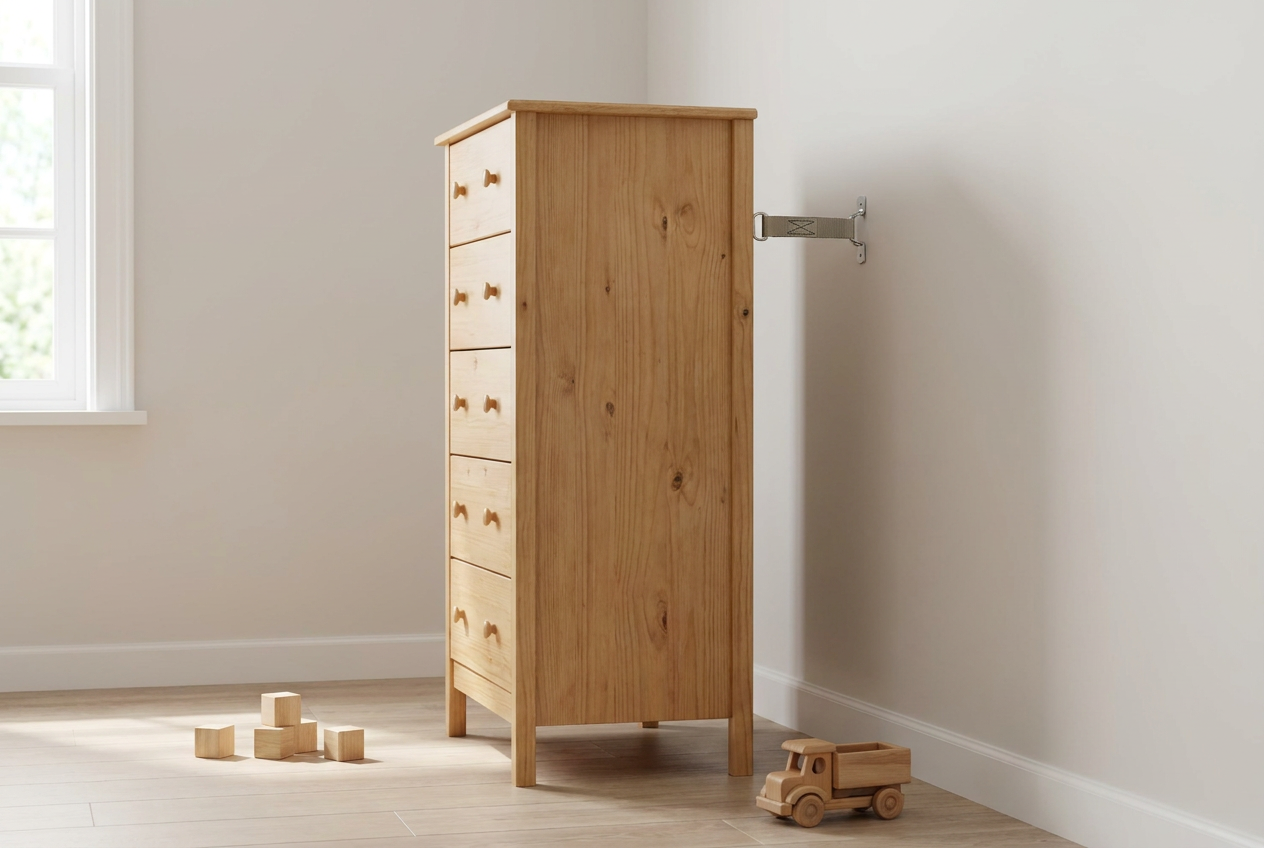
Missing or Hard-to-Use Anchoring Hardware
Many dressers ship with a wall strap or anchor kit, but the hardware may be flimsy, missing, or confusing to install, and instructions may not explain the danger clearly. Renters in Ferndale, Hazel Park, or Royal Oak apartments may also worry about drilling into walls. These real-world conditions matter, because a product's design and warnings may be judged by how families are likely to use it at home.
The STURDY Act and the Federal Dresser Standard
Congress passed the STURDY Act, short for Stop Tip-overs of Unstable, Risky Dressers on Youth, in December 2022. It directed CPSC to adopt a mandatory stability standard for clothing storage units. CPSC adopted the ASTM F2057-23 standard, and the rule took effect for units manufactured after September 1, 2023.
Furniture made before the rule took effect is still in many Metro Detroit homes, apartments, and rental properties. A unit that predates the standard can still be the subject of a recall or a product liability claim, depending on the facts.
Who May Be Responsible Under Michigan Law
The Manufacturer
A manufacturer may be responsible if a dresser or TV stand was defectively designed, poorly made, or sold without adequate warnings or anchoring hardware. Michigan law allows evidence about industry standards, and a product that met government safety standards may receive a presumption in the manufacturer's favor, though that presumption can be challenged.
Sellers and Retailers
Stores and online sellers that didn't make the product are generally held responsible only in narrower situations, such as when they failed to use reasonable care or made an express promise about the product that turned out to be false.
Property Owners and Caregivers
If a tip-over happened in a rental unit, daycare, or someone else's home, questions about premises liability or supervision may also arise, alongside any product claim.
What Parents Should Do After a Tip-Over
Get Medical Care First
Head injuries and crush injuries aren't always obvious right away. Have your child checked even if they seem okay; our FAQ on seeing a doctor right away explains why prompt care matters.
Keep the Furniture and the TV
It's natural to want the dresser gone. Please don't throw it out, return it, or repair it. The product itself is often the most important evidence. Our FAQ on preserving a product that hurt your child covers practical steps that apply here too.
Check for Recalls
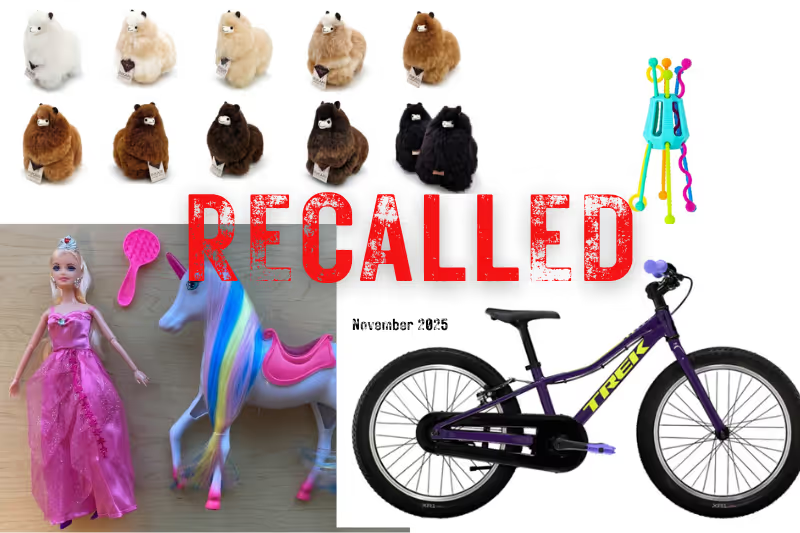
Look for the brand, model number, and manufacture date, then search CPSC's recall listings. Our article on what to do if a recalled item already hurt you walks through next steps, and you can also report the incident to CPSC at SaferProducts.gov.
Deadlines for Child Injury Claims in Michigan
Michigan generally allows three years to bring a product liability claim. For injured children, Michigan law may extend the time in some situations, giving a child up to one year after turning 18 to file. A parent's own claim, such as for a child's medical bills, may follow a different timeline. Our FAQ on Michigan filing deadlines explains more, and it's wise not to wait while evidence is still available.
How LSM Lawyers Can Help Your Family
Liss, Shapero & Mitnick handles product liability matters for families across Oakland, Macomb, and Wayne counties. We can help preserve the furniture, look into recalls and design history, and identify who may be responsible. Our page on children injured by defective products shares more about how we approach these cases, and our article on dangerous toys and recalls offers more guidance for parents.
Frequently Asked Questions
Moving Forward After Your Child Is Hurt
Few things are harder than watching your child go through pain and recovery. Many parents blame themselves, even when the furniture was the real problem. Your focus right now belongs on your child's healing.
When you're ready, understanding what happened can bring a sense of clarity and, sometimes, help prevent the same thing from happening to another family.
Talk to a Team That Puts Families First
If your child was hurt by a dresser, TV, or other furniture tip-over in Berkley, Oak Park, Clawson, or anywhere across Metro Detroit, we're here to listen. At LSM Lawyers, Tony Shapero often speaks with new clients personally.
This content is for general informational purposes only and does not constitute legal advice. Contact LSM for guidance specific to your situation. Past results do not guarantee future outcomes.