.svg)
.avif)


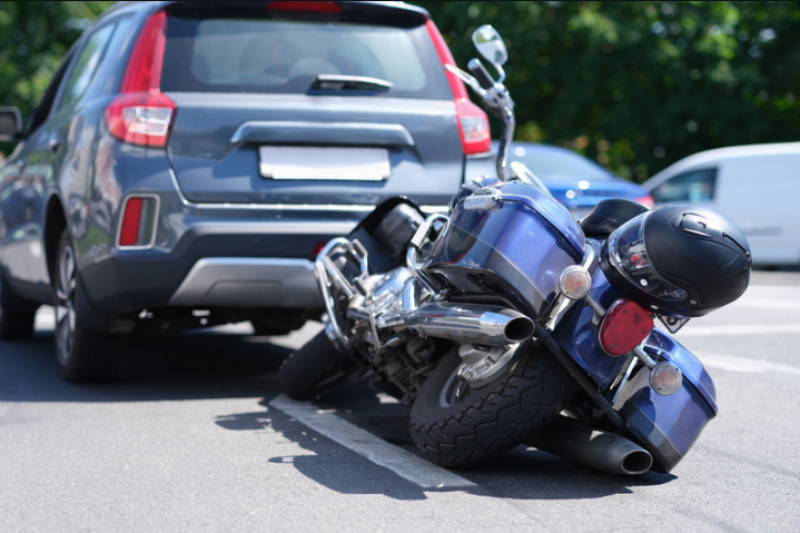
Ask most riders what happens after a motorcycle accident, and many will tell you the same thing: the assumption of blame lands on them before anyone has looked at the actual evidence. An insurance adjuster hears "motorcycle accident" and starts looking for reasons the rider caused it. A witness assumes the bike must have been speeding. Even a police officer, working quickly at a chaotic scene, may lean on assumptions rather than facts.
The problem is that these assumptions are often wrong, and they can shape a claim before a rider ever gets the chance to tell their side. As a motorcycle accident lawyer in Michigan, our job often starts with untangling myth from fact so that a case gets evaluated on what actually happened, not on outdated stereotypes about who rides motorcycles and why.
Below, we walk through five of the most common myths we see used against injured riders in Michigan, along with what the law and the evidence actually say.
Myth #1: "Motorcyclists Are Always Speeding"
The Reality Behind This Assumption
Speed gets blamed often, but it is far from the leading cause of motorcycle crashes. In most collisions between a motorcycle and a passenger vehicle, the driver of the car or truck failed to see the motorcycle or misjudged its distance and speed, not the other way around.
Common real causes of motorcycle crashes include:
- A driver turning left across an intersection without checking for oncoming motorcycles
- A vehicle changing lanes without checking a blind spot
- Following too closely and rear-ending a motorcycle that has slowed or stopped
- Failing to yield the right of way at a stop sign or intersection
- Opening a car door into a bike lane or roadway without looking
How This Myth Affects a Claim
When an insurance company assumes speed was involved, they often use that assumption to argue the rider shares some percentage of fault, even without evidence to back it up. This matters because Michigan follows a modified comparative negligence rule. If a rider is found partially at fault, their compensation is reduced by that percentage. If a rider is found more than 50 percent at fault, they cannot recover non-economic damages such as pain and suffering. A rider who was not speeding should not carry blame that belongs to someone else.
Myth #2: "If a Driver Didn't See the Motorcycle, It's the Rider's Fault"
What "I Didn't See Them" Really Means
This phrase comes up constantly after motorcycle accidents, and it is often treated as an excuse rather than what it actually is: an admission that the driver was not paying proper attention. Drivers are legally required to:
- Scan intersections fully before turning or proceeding
- Check mirrors and blind spots before changing lanes
- Yield the right of way when required by traffic signs or signals
- Maintain a safe following distance for the conditions
Why This Defense Doesn't Hold Up Legally
A motorcycle is smaller than a car, but it is not invisible. When a driver says they never saw the rider, that statement can actually support the rider's claim rather than undermine it. Michigan law places a duty of care on every driver to look for and yield to other traffic, including motorcycles. Failing to see something that was there to be seen is evidence of a breach of that duty, not a valid defense against it.
Myth #3: "Riding at the Edge of a Lane Means the Rider Was Reckless"
Understanding Lane Position for Riders
People unfamiliar with motorcycles sometimes assume that any deviation from the center of a lane signals unsafe or erratic riding. In reality, experienced riders adjust their position within a lane for good reason. Common, legitimate reasons include:
- Improving visibility to drivers ahead and behind
- Avoiding road debris, potholes, or oil slicks
- Reducing the effects of crosswind or drafting from larger vehicles
- Staying out of a following driver's blind spot
How Lane Position Gets Misused Against Riders
After a crash, an insurance adjuster may point to a rider's lane position as proof of unsafe behavior, especially if a witness describes the motorcycle as "weaving" or "riding close to the line." Often what a witness describes as erratic is a rider using normal, trained technique to stay visible and safe. Distinguishing between the two requires a careful look at the specific road, traffic, and weather conditions at the time of the crash.
Myth #4: "Not Wearing a Helmet Means You Can't Recover Compensation"
What Michigan Helmet Law Actually Says
Michigan does not require every rider to wear a helmet. Under MCL 257.658, riders and passengers under age 21 must wear a crash helmet. Riders 21 and older may legally ride without one if they meet two conditions: they have held a motorcycle endorsement for at least two years or completed an approved safety course, and they carry at least $20,000 in first-party medical benefits coverage. Passengers 21 and older who want to go helmetless need at least $20,000 in their own first-party medical coverage as well.
Helmet Use and Your Claim
Going without a helmet, when legally permitted, does not automatically bar a rider from recovering compensation after a crash caused by someone else's negligence. It is not a shortcut to an automatic defense verdict, and it does not change who caused the underlying collision. Depending on the specific facts of a case, helmet use can sometimes come up in connection with the severity of head or facial injuries. Because this issue is fact specific, riders should talk with a motorcycle accident lawyer about how it may or may not apply to their situation rather than assuming the worst.
Myth #5: "Motorcycle Injuries Are Always Exaggerated"
The Reality of Motorcycle Injury Severity
Riders have far less physical protection than someone inside a car or truck. There is no frame, no airbag, and no seatbelt standing between a rider and the pavement or another vehicle. That lack of protection often means motorcycle injuries are more severe, not less, than injuries from an equivalent car accident. Injuries we see frequently include:
- Road rash and severe abrasions requiring skin grafts
- Broken bones, particularly in the legs, arms, and collarbone
- Traumatic brain injury, even with helmet use
- Spinal cord injuries and herniated discs
- Permanent scarring and disfigurement
You can read more about how these injuries are evaluated and treated on our Common Injuries page.
Why This Myth Matters for Claims
When an insurance company assumes a rider's injuries are exaggerated before reviewing medical records, they may open with a lowball settlement offer that does not reflect the real cost of treatment, lost income, and long-term impact. Thorough documentation from the start, including medical records, imaging, and follow-up care notes, helps counter this bias with evidence rather than argument.
How These Myths Play Out With Insurance Companies
Once a claim is filed, these myths do not disappear. They often resurface in how an insurance adjuster handles the case. Riders should be aware of tactics such as:
- Requesting a recorded statement early, before the rider has spoken with an attorney
- Using fault-shifting language in questions, such as asking what the rider "could have done differently"
- Offering a quick, low settlement before the full extent of injuries and expenses is known
- Pointing to lane position, speed, or helmet use as leverage in negotiations, even without supporting evidence
These tactics are a normal part of how insurance companies manage claims, but riders do not have to navigate them alone. Our Insurance Disputes page covers more about how we handle pushback from insurance companies on behalf of injured clients.
Setting the Record Straight After a Motorcycle Crash
Myths do not determine fault. Facts, evidence, and Michigan law do. A rider who was not speeding, who positioned their lane correctly, or who was legally riding without a helmet should not have to fight against assumptions instead of the actual circumstances of their crash.
At Liss, Shapero & Mitnick, we take the time to understand what really happened before anyone else settles on a version of events that is convenient for an insurance company. Tony often calls new clients personally, and every case gets attention from our full team, not just one person handling a file. We have been part of the Berkley community for more than 20 years, and we know how important it is for riders to be heard rather than judged.
Talk to Someone Who Will Actually Listen to Your Side
If you were hurt in a motorcycle accident in Michigan and feel like you are already being blamed, we want to hear what actually happened. A free consultation with our team costs nothing and comes with no obligation. Tony Shapero personally calls many of our new clients to talk through their situation from the start.
📞 248-584-1300 | Toll-Free: 1-855-LISS-LAW (1-855-547-7529)
📍 2695 Coolidge Highway, Berkley, MI 48072