.svg)
.avif)


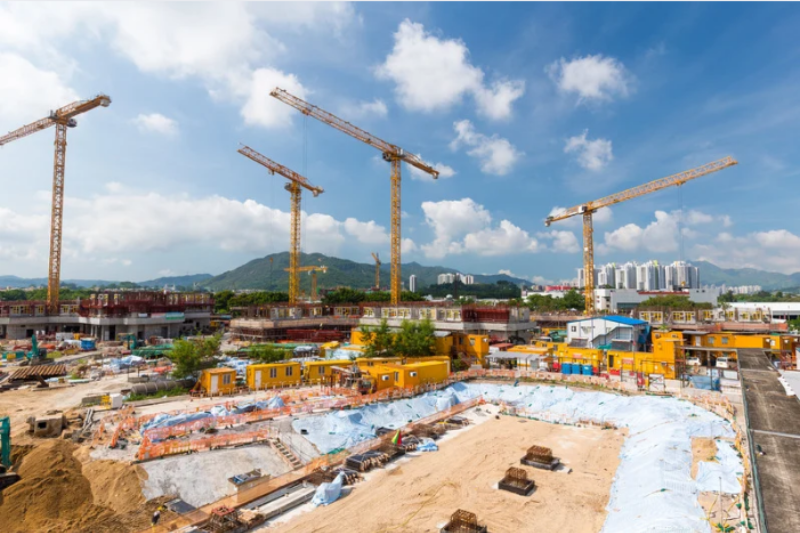
As winter fades across Michigan, construction season quickly returns. Orange barrels line the highways, lane closures appear overnight, and road crews work long hours to repair and improve infrastructure. For drivers, this seasonal shift requires heightened awareness. For workers, it marks a return to one of the most dangerous environments in the state—active roadway construction zones.
Every year, serious accidents occur in these work zones, often with devastating consequences. A moment of distracted driving, a sudden lane shift, or a speeding vehicle can turn a routine commute into a life-altering event. These crashes don’t just affect drivers—they place construction workers, flaggers, and nearby crews at significant risk.
In a typical construction zone crash Michigan, multiple factors often collide: reduced visibility, confusing signage, heavy equipment, and the presence of commercial vehicles navigating tight spaces. When safety protocols break down or are ignored, the results can be catastrophic.
At Liss, Shapero & Mitnick, we understand how complex these cases can be. Work zone accidents often involve multiple parties, layered liability, and serious injuries. Our team approach ensures that every aspect of a case is thoroughly investigated and that our clients receive the attention and advocacy they deserve.
Common Causes of Construction Zone Crashes in Michigan
Driver-Related Causes
Many work zone accidents stem from driver behavior—particularly when motorists fail to adjust to changing road conditions. Even a brief lapse in attention can have serious consequences in a construction zone.
Common driver-related causes include:
- Distracted driving
Texting, using navigation systems, or adjusting in-car controls can divert attention at critical moments. - Speeding through reduced-speed zones
Ignoring posted limits reduces reaction time and increases the severity of collisions. - Tailgating in stop-and-go traffic
Sudden slowdowns are common in work zones, making following too closely especially dangerous. - Aggressive lane changes
Attempting to merge quickly or bypass traffic can lead to side-swipe collisions and loss of control.
Work Zone Conditions
Not all accidents are caused solely by drivers. The setup and condition of the work zone itself can play a significant role in increasing risk.
Hazardous conditions may include:
- Poor or unclear signage
Missing or confusing signs can leave drivers unprepared for lane shifts or closures. - Sudden lane closures or merges
Abrupt transitions create confusion and increase the likelihood of collisions. - Narrow lanes and limited shoulders
Reduced space leaves little room for error, particularly for larger vehicles. - Inadequate lighting
Early morning or nighttime work zones may lack sufficient visibility, increasing danger for both drivers and workers.
Commercial Vehicle Risks
Construction zones often see a higher presence of large trucks and heavy equipment, which introduces additional risks. A commercial truck work zone environment requires even greater caution due to the limitations of these vehicles.
Key dangers include:
- Longer stopping distances
Trucks require significantly more distance to slow down or stop, especially in congested areas. - Blind spots in tight construction lanes
Reduced lane width can make it difficult for truck drivers to see surrounding vehicles. - Wide turns and limited maneuverability
Large vehicles may struggle to navigate sudden lane shifts or sharp turns within construction zones.
Understanding Liability in Work Zone Accidents
Driver Negligence
In many cases, driver behavior plays a central role in causing work zone accidents. Construction zones require increased attention and reduced speeds, yet drivers frequently fail to adjust.
Common examples of driver negligence include:
- Speeding or distracted driving
Failing to slow down or remain attentive in an active work zone significantly increases the risk of collision. - Failure to obey traffic control devices
Ignoring signs, cones, barriers, or flaggers can lead to dangerous and often preventable accidents.
Construction Company Liability
Construction companies are responsible for creating and maintaining safe work zones. When proper safety measures are not followed, they may be held accountable for resulting injuries.
Potential issues include:
- Improper setup of work zones
Poorly designed lane shifts or traffic patterns can confuse drivers and create hazardous conditions. - Failure to follow safety regulations
Ignoring established guidelines for signage, barriers, and traffic control increases risk. - Inadequate warnings or barriers
Without clear and visible warnings, drivers may not have enough time to react safely.
Government Entity Responsibility
In some situations, government agencies responsible for road design, planning, or maintenance may share liability.
This may involve:
- Poor planning or design of construction zones
Ineffective layouts or insufficient traffic flow planning can create dangerous conditions. - Delayed maintenance or unsafe road conditions
Failing to address known hazards in a timely manner may contribute to accidents.
Third-Party Contractors
Work zones frequently involve multiple subcontractors, each with specific responsibilities. When something goes wrong, liability may extend beyond the primary construction company.
Examples include:
- Multiple subcontractors working on-site
Coordination failures between different teams can lead to unsafe conditions. - Equipment operators and traffic control providers
Errors in operating machinery or directing traffic can directly cause accidents.
What to Do After a Construction Zone Crash
Immediate Steps
The moments following a construction zone accident are critical. Taking the right actions can protect both your health and your legal rights.
- Seek medical attention immediately
Even if injuries are not immediately apparent, prompt evaluation is essential. - Report the accident to law enforcement
An official report provides important documentation of the incident. - Follow all emergency instructions
Cooperate with first responders and ensure the scene is handled safely.
Protecting Your Claim
Once immediate concerns are addressed, preserving evidence becomes essential. A strong claim often depends on what is documented early.
Key steps include:
- Take photos of the scene, signage, and road conditions
Capture lane closures, warning signs, equipment placement, and any hazards. - Gather witness information
Statements from other drivers, workers, or bystanders can provide valuable insight. - Document injuries and treatment
Keep detailed records of medical visits, diagnoses, and ongoing care.
Evidence Checklist for Work Zone Accident Cases
Police reports and incident documentation
Official reports provide a foundational account of the crash, including initial findings, involved parties, and any citations issued.
Photos and videos of the accident scene
Visual evidence should capture:
- Vehicle positions and damage
- Lane closures and traffic patterns
- Placement of cones, barrels, and barriers
- Road conditions and visibility
Dashcam or surveillance footage
Footage from nearby vehicles, businesses, or traffic cameras can offer an objective, real-time account of how the accident occurred.
Construction zone layout and signage records
Documentation showing how the work zone was supposed to be set up can reveal whether proper safety protocols were followed.
Maintenance logs and project plans
These records may indicate whether the construction company adhered to required standards and timelines.
Witness statements
Testimony from drivers, workers, or bystanders can help clarify events leading up to the crash and identify unsafe conditions.
Medical records and billing documentation
Detailed medical evidence connects the injuries directly to the accident and establishes the extent of damages.
Special Considerations for Injured Construction Workers
Workers’ Compensation vs. Third-Party Claims
In most cases, injured construction workers are entitled to workers’ compensation benefits through their employer. These benefits may include:
- Medical treatment coverage
- Wage loss benefits
- Disability compensation
However, workers’ compensation is limited. It typically does not provide compensation for pain and suffering or full financial recovery.
In certain situations, injured workers may also pursue a third-party claim against someone other than their employer. This could include:
- A negligent driver who caused the crash
- A subcontractor responsible for unsafe conditions
- An equipment manufacturer if defective machinery was involved
When Additional Claims May Be Available
Not every work zone injury is limited to workers’ compensation. Additional claims may arise when:
- A driver’s negligence—such as distracted driving—causes the accident
- Another company on-site fails to follow safety protocols
- Improper traffic control measures contribute to unsafe conditions
Protecting Long-Term Financial Recovery
Serious construction zone injuries can have lasting consequences, including long-term disability, ongoing medical care, and reduced earning capacity. Protecting your financial future requires careful planning and legal strategy.
Key considerations include:
- Ensuring all available benefits are pursued
- Evaluating long-term medical and rehabilitation needs
- Calculating future lost wages and diminished earning potential
- Coordinating workers’ compensation and third-party claims effectively
Navigating the Risks of Michigan Work Zones
As construction season ramps up across Michigan, the risks on our roads increase dramatically. Work zones demand heightened attention, patience, and care from every driver—but even when precautions are taken, accidents can still happen. In these environments, a single moment of distracted driving or a split-second miscalculation can lead to serious, life-changing consequences, particularly when heavy equipment or commercial vehicles are involved.
At Liss, Shapero & Mitnick, we are committed to guiding our clients through this process with clarity, compassion, and determination. Our team-based approach ensures that every case receives the attention it deserves, and that every client has the support they need to move forward.
Speak With Our Team Today
If you or a loved one has been injured in a work zone accident, don’t wait to get the legal support you need. An experienced Michigan work zone accident lawyer can help you understand your rights, build a strong case, and pursue the full compensation you deserve.
Liss, Shapero & Mitnick
2695 Coolidge Highway
Berkley, MI 48072
📞 Phone: 248-584-1300
📞 Toll Free: 1-855-LISS-LAW (1-855-547-7529)
📠 Fax: 248-584-1323