.svg)
.avif)

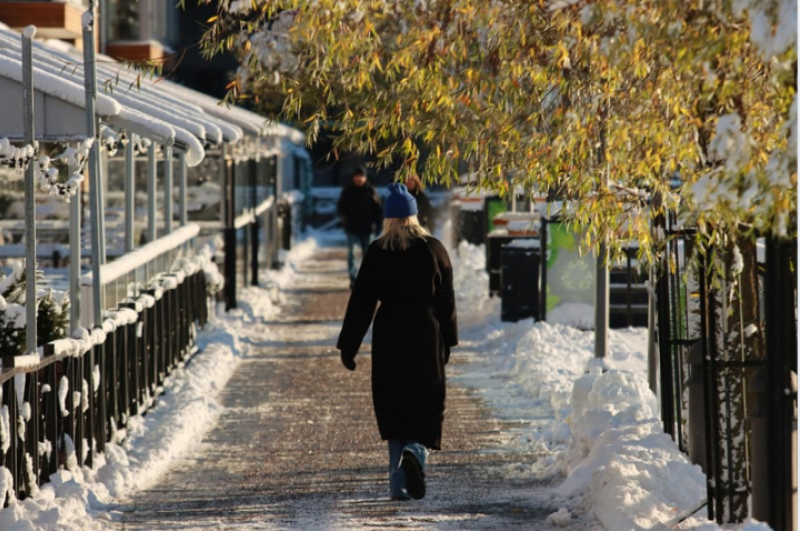
As winter transitions into spring across Michigan, businesses face a new set of hazards brought on by melting snow, rain-soaked shoes, and fluctuating temperatures. Entryways become slick, floors stay damp longer, and the risk of a wet floor fall increases significantly in stores, restaurants, and commercial properties. What may seem like a minor inconvenience can quickly become a serious safety issue.
For customers, these conditions often go unnoticed until it is too late. A quick step onto a wet tile floor or a poorly maintained entry mat can lead to a sudden fall and severe injury. These incidents are not just accidents—they are often preventable when proper maintenance and safety measures are in place.
Under premises liability Michigan law, property owners and businesses have a responsibility to keep their premises reasonably safe. This includes monitoring conditions, addressing hazards promptly, and warning customers of known dangers. When these responsibilities are ignored or overlooked, the consequences can be significant.
At Liss, Shapero & Mitnick, we regularly see how slip and fall cases impact individuals and families. These cases often hinge on details—what was done to maintain the property, how hazards were addressed, and whether proper records were kept. Understanding how these factors come together is essential when evaluating a claim.
Common Causes of Wet Floor Falls
Entryway Hazards
Entryways are one of the most common locations for a wet floor fall, particularly during Michigan’s unpredictable spring weather. As customers enter a business, water, mud, and debris are tracked inside, creating slippery conditions within seconds.
Common entryway hazards include:
- Water accumulation near entrances
Rain and melting snow can quickly pool near doors, especially in high-traffic areas. - Inadequate or saturated entry mats
Mats that are too small or already soaked lose their ability to absorb moisture effectively. - Mats that shift, curl, or lack traction
Poorly secured mats can create additional tripping hazards rather than preventing them.
Interior Floor Conditions
Hazards are not limited to entrances. Once moisture is tracked further into a building, interior floors can become equally dangerous.
These risks often include:
- Wet tile or polished surfaces
Smooth flooring materials become extremely slippery when wet. - Recently mopped floors without warning signs
Failure to place proper signage can leave customers unaware of hazards. - Spills that are not promptly cleaned
Liquids left unattended increase the likelihood of sudden falls.
Maintenance Failures
In many cases, slip and fall incidents are not caused by a single condition, but by a breakdown in routine maintenance and oversight.
Examples of maintenance failures include:
- Lack of routine inspections
Without regular checks, hazards can go unnoticed for extended periods. - Delayed cleanup of known hazards
Failing to act quickly once a hazard is identified increases liability. - Failure to replace or maintain floor mats
Worn or ineffective mats provide little protection and can worsen conditions.
Store Maintenance and Inspection Responsibilities
Routine Inspection Requirements
Maintaining safe premises requires more than occasional attention—it demands a consistent and proactive approach. Businesses must regularly monitor their property, especially during spring when wet conditions are frequent and unpredictable.
Effective inspection practices include:
- Scheduled walkthroughs of high-risk areas
Entrances, aisles, and restrooms should be checked routinely throughout the day. - Increased monitoring during inclement weather
Rain, melting snow, and heavy foot traffic require more frequent inspections. - Immediate response to hazards
Once a hazard is identified, it must be addressed without delay to reduce the risk of injury.
Cleaning and Safety Protocols
Beyond inspections, businesses must implement clear cleaning and safety procedures to minimize risks. These protocols ensure that hazards are not only identified—but properly handled.
Key safety measures include:
- Prompt cleanup of spills and tracked-in water
Immediate action reduces the likelihood of slips and falls. - Use of warning signs for wet floors
Visible signage alerts customers to potential hazards while cleanup is underway. - Employee training on hazard identification
Staff should be trained to recognize and respond to unsafe conditions quickly and effectively.
Failure to Maintain Safe Conditions
When businesses fail to uphold these responsibilities, the consequences can be serious. Many slip and fall cases arise from preventable oversights and breakdowns in routine procedures.
Common failures include:
- Ignoring known hazards
Allowing dangerous conditions to persist without action increases liability. - Inadequate staffing or supervision
Without sufficient personnel, inspections and cleanups may be delayed or missed entirely. - Lack of consistent safety procedures
Inconsistent practices create gaps in protection and increase the likelihood of accidents.
Importance of Maintenance Logs and Documentation
What Are Maintenance Logs
Maintenance logs are written or digital records that track a business’s efforts to keep its premises safe. These logs document:
- Inspections of the property
- Cleaning activities and hazard removal
- Responses to reported issues
Why Maintenance Logs Matter
In slip and fall cases, documentation can be just as important as the physical conditions themselves. Maintenance logs often serve as critical evidence.
They can:
- Provide a timeline of events leading up to a fall
Showing when an area was last inspected or cleaned. - Demonstrate whether a business acted reasonably
Consistent and timely entries may support a defense. - Support or undermine a defense
Gaps or inconsistencies can raise questions about whether proper procedures were followed.
Common Issues with Logs
Not all maintenance logs are reliable or complete. In fact, problems with documentation are common in slip and fall cases.
These issues may include:
- Missing or incomplete records
Gaps in documentation can suggest a lack of regular inspections. - Generic or inconsistent entries
Vague notes may fail to demonstrate meaningful action. - Failure to document known hazards
Omitting known issues can significantly impact a business’s credibility.
Understanding Liability in Slip and Fall Cases
Business Owner Responsibility
Property owners and businesses have a legal duty to:
- Maintain safe premises
Taking reasonable steps to prevent hazardous conditions. - Inspect and address hazards
Regularly checking for dangers and resolving them promptly.
Notice of Hazard
A critical factor in many cases is whether the business had notice of the hazardous condition. This can take two forms:
- Actual notice
The business knew about the hazard—for example, an employee observed a spill but did not clean it. - Constructive notice
The hazard existed long enough that the business should have discovered it through reasonable inspections.
Comparative Fault Considerations
In some situations, responsibility may be shared. Michigan law allows for comparative fault, meaning the actions of the injured person may also be considered.
This may involve:
- Whether the injured person was paying attention
For example, whether they noticed warning signs or obvious hazards. - Shared responsibility in some cases
Liability may be divided based on each party’s role in the incident.
What to Do After a Slip and Fall
Immediate Steps
The moments following a slip and fall are critical—not only for your health, but also for protecting your legal rights. Taking the right steps immediately after an incident can make a significant difference in the outcome of a potential claim.
- Seek medical attention
Even if injuries seem minor at first, it is important to be evaluated by a medical professional. Some injuries, such as head trauma or soft tissue damage, may not present symptoms right away. - Report the incident to store management
Notifying a manager or supervisor ensures that the incident is documented and acknowledged by the business. - Ensure an incident report is created
An official incident report provides a record of the event, including details about the location, time, and conditions surrounding the fall.
Protecting Your Claim
After addressing immediate concerns, preserving evidence becomes essential. The details surrounding a wet floor fall can change quickly, especially if cleanup occurs shortly after the incident.
To protect your claim:
- Take photos of the hazard and surroundings
Capture images of the floor condition, entry mats, signage (or lack thereof), and overall environment. - Preserve clothing and footwear
Items worn at the time of the fall may provide important evidence regarding conditions or lack of traction. - Request copies of reports if possible
Obtaining documentation early can help prevent discrepancies or missing information later.
Holding Businesses Accountable for Spring Hazards
Spring conditions may be temporary, but the injuries caused by unsafe premises can last a lifetime. Wet floors, poorly maintained entry mats, and inadequate safety procedures create dangerous environments that put customers at risk. These hazards are often predictable—and preventable when businesses take the proper precautions.
At Liss, Shapero & Mitnick, we are committed to helping clients navigate these challenges with clarity, compassion, and strength. Our team works together to uncover the facts, build strong cases, and pursue the full compensation our clients deserve.
Speak With Our Team Today
If you or a loved one has been injured in a slip and fall, don’t wait to get the legal guidance you need. An experienced Michigan slip and fall lawyer can help you understand your rights, preserve critical evidence, and take the next steps toward recovery.
Liss, Shapero & Mitnick
2695 Coolidge Highway
Berkley, MI 48072
📞 Phone: 248-584-1300
📞 Toll Free: 1-855-LISS-LAW (1-855-547-7529)
📠 Fax: 248-584-1323