.svg)
.avif)


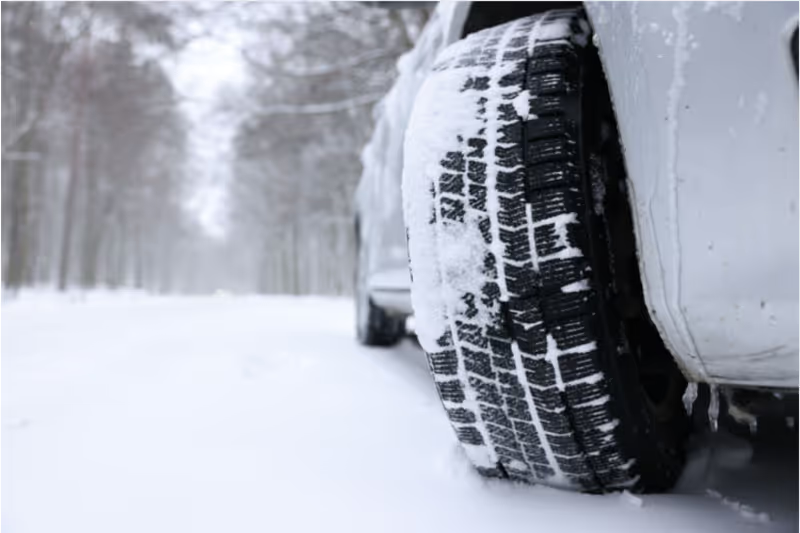
If you’ve spent more than one winter in Michigan, you already know how unpredictable it can be. One morning, roads are slick with freezing rain. The next day, a layer of slush hides beneath new snow — and by the weekend, black ice forms across bridges and side streets without warning. For drivers across Metro Detroit and the rest of the state, every commute becomes a test of preparation and reflexes.
Among all the precautions Michigan drivers take — from checking wipers to topping off antifreeze — tire choice is one of the most important. Whether your vehicle is equipped with winter tires or all-season tires can make the difference between a near miss and a serious collision.
While your tires alone won’t determine who’s legally at fault, they can play a major role in how insurance companies, accident investigators, and even courts evaluate a crash. Tire condition, tread depth, and suitability for the weather can influence whether an insurer believes a driver acted reasonably and responsibly for the conditions.
Michigan’s Winter Road Conditions: Why Tire Choice Matters
Michigan winters are notorious for producing some of the most dangerous driving conditions in the Midwest. Freezing rain, blowing snow, and repeated freeze-thaw cycles create a perfect storm of hazards: slick intersections, black ice on bridges, and packed snow that turns into a hard, glassy surface overnight.
According to data from the Michigan Office of Highway Safety Planning, thousands of weather-related crashes occur each year between December and February, with ice and snow being key contributing factors. Even experienced drivers struggle to maintain control when traction disappears — and that’s where tire choice becomes critical.
Winter Tires vs. All-Season Tires
Winter tires are engineered specifically for cold conditions. They use a softer rubber compound that stays flexible below 45°F, along with deeper tread patterns and biting edges that grip snow and ice more effectively. This means better acceleration, shorter braking distances, and greater stability on slippery roads.
By contrast, all-season tires are a compromise. They perform adequately in a variety of conditions but don’t excel in extremes. While fine for mild winters, they tend to harden in freezing temperatures, losing grip on icy or packed snow surfaces.
In practical terms, the difference can be dramatic. Tests show that vehicles equipped with winter tires can stop 30–40% sooner on icy pavement than those with all-seasons. In a state where seconds can separate a safe stop from a collision, that performance margin often determines whether an accident happens at all.
How Tire Choices Show Up in Insurance Claims and Accident Reports
After a Michigan car accident, investigators and insurance adjusters don’t just look at what happened in the moment — they also examine why it happened. Beyond road and weather conditions, they’ll often consider maintenance and equipment factors that could have played a role in the crash. One of the first things on that list? Your tires.
Insurance companies and police investigators may note tire details in several ways:
- Police accident reports often include vehicle condition observations, including whether tires appeared worn or inappropriate for the weather.
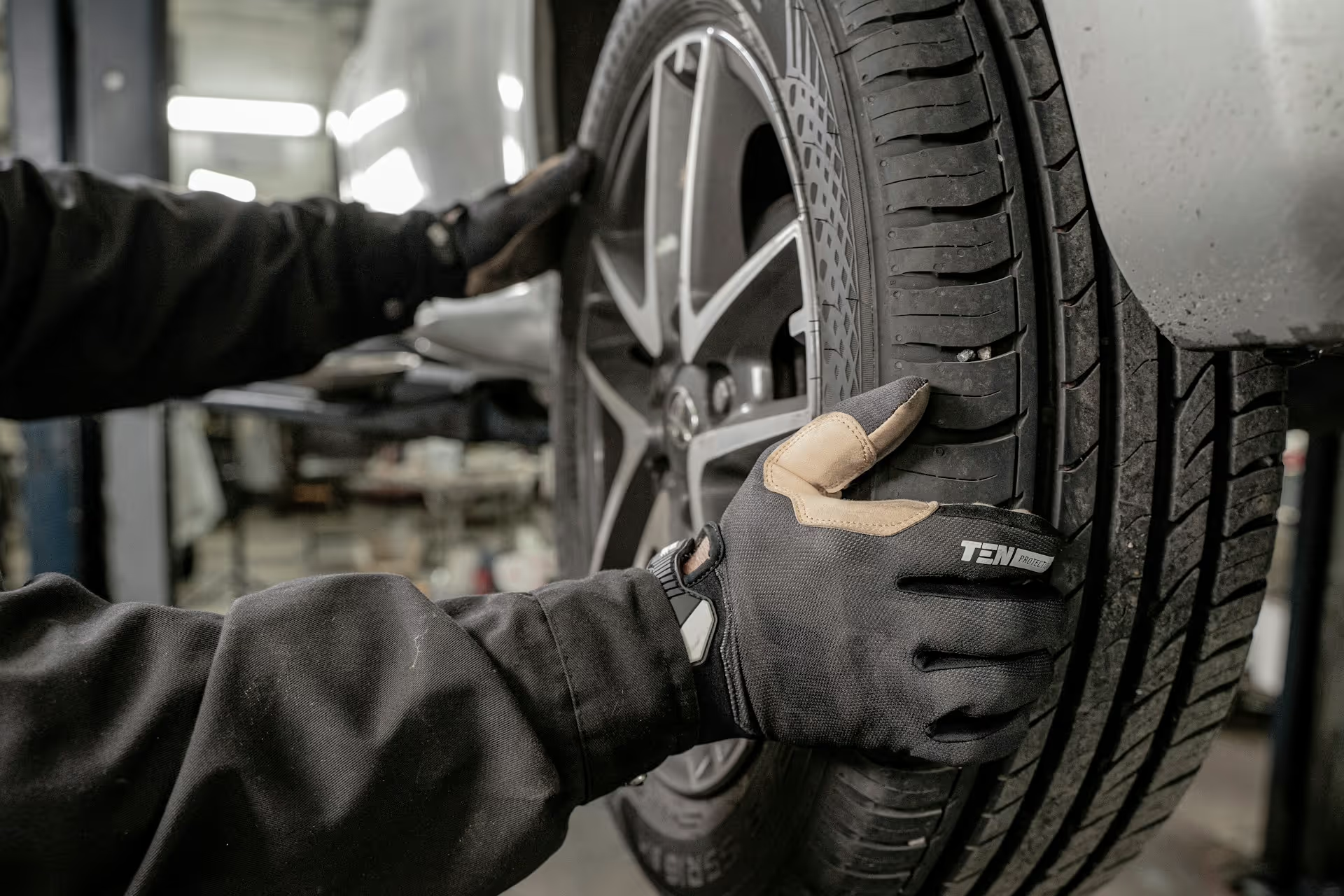
- Vehicle inspections — either by mechanics or insurance adjusters — may record tread depth, tire pressure, or visible signs of neglect.
- Insurance adjuster evaluations frequently include photos and written notes about tire condition, since worn or bald tires can directly affect braking and handling.
If the investigation finds that your tires were unsafe, underinflated, or clearly worn-out, an insurer may argue that you failed to maintain your vehicle safely. That argument can influence how fault is assigned — and in some cases, how much compensation you receive.
How This Affects Michigan No-Fault and Liability Claims
Michigan’s no-fault insurance system ensures that drivers can recover certain benefits after a crash — including medical expenses, wage loss, and replacement services — regardless of fault. So, even if your tires were in poor condition, you’re still entitled to these Personal Injury Protection (PIP) benefits under your own insurance policy.
However, tire-related negligence can impact other parts of a claim, especially when pursuing compensation beyond no-fault benefits, such as:
- Mini-tort claims — for vehicle damage (up to $3,000) when another driver is at fault. If your tires were unsafe, the insurer may argue you share blame and reduce payment.
- Third-party liability claims — for serious injuries, pain and suffering, or permanent impairment. Tire condition can be used as evidence to argue that you contributed to the crash through poor maintenance.
While proper tires won’t guarantee you’re never found at fault, maintaining your vehicle in good condition — including equipping it for Michigan’s harsh winters — can strengthen your position if an accident occurs. It shows you acted reasonably and responsibly for the conditions, which insurers, judges, and juries all consider when determining liability.
Comparative Fault in Michigan: When Equipment Choices Matter
Michigan follows a modified comparative fault rule, which means that even if you are found partially responsible for a crash, you can still recover compensation — as long as you are less than 50% at fault. Your total recovery, however, is reduced by your percentage of fault.
When it comes to winter crashes, tire condition and maintenance can become key evidence in determining that fault. Insurance adjusters, defense attorneys, and sometimes even juries will examine whether the driver took reasonable precautions for the weather conditions.
For example, even if another driver caused the collision — say they ran a red light or rear-ended you — their insurer may try to argue that your worn or improper tires contributed to the accident. If it’s proven that poor traction played a role in the crash or in worsening your vehicle’s control, that could reduce the percentage of damages you can recover.
Courts and insurance companies alike assess the reasonableness of driver behavior — including tire maintenance, vehicle condition, and driving speed — in the context of Michigan’s winter realities. Taking extra care to prepare for the season not only reduces accident risk but can also protect your legal position if an accident does occur.
Preventive Tips: How to Stay Safe and Avoid Disputes
Taking proactive steps before winter weather hits can dramatically reduce your chances of a crash — and protect you from blame if one occurs.
For All Drivers
- Check tire tread depth regularly. Experts recommend a minimum of 3/32”, but replacing tires sooner can improve winter performance.
- Switch to winter tires before Thanksgiving and remove them once temperatures stay consistently above 45°F.
- Keep tire pressure properly maintained. Cold air reduces PSI, which affects traction and braking.
- Avoid mixing tire types (e.g., using two snow tires and two all-seasons), which can cause uneven grip and handling issues.
- Drive defensively. Reduce speed, increase following distance, and apply brakes gently to avoid skidding on ice or snow.
For Insurance and Legal Protection
- Save receipts for tire purchases or installations. They can serve as proof that you maintained your vehicle responsibly — valuable evidence in an insurance dispute.
- Take photos of your tires and the accident scene if you’re involved in a crash. Documentation can help show proper maintenance and counter claims of negligence.
- Don’t assume fault. Tire condition is just one factor among many. Even with all-seasons, if you were driving carefully and the other driver acted recklessly, you still have a strong claim under Michigan law.
Stay Safe, Stay Protected — Know Your Rights After a Winter Crash
Choosing the right tires can reduce your risk on the road, but when an accident happens, liability depends on a mix of driver behavior, vehicle maintenance, and weather conditions. Michigan law requires all drivers to act reasonably for the situation — yet insurers often try to use equipment issues, like tire type or wear, to dispute or reduce claims.
If you’ve been injured in a winter collision, the attorneys at Liss, Shapero & Mitnick can help you navigate Michigan’s complex no-fault system, prove fault accurately, and protect your rights every step of the way. Our team knows what evidence matters most — and we act quickly to preserve it, from tire photos and police reports to weather records and inspection data.
The sooner you contact our office, the stronger your case can be. Snow melts, vehicles are repaired, and critical evidence disappears fast — but your rights deserve to be preserved.
📍 Liss, Shapero & Mitnick
2695 Coolidge Highway
Berkley, MI 48072
📞 248-584-1300 | Toll-Free: 1-855-LISS-LAW (547-7529)
Your Rights First. Your Story Matters.