.svg)
What Does a Dog Bite Look Like and When Is It Concerning?
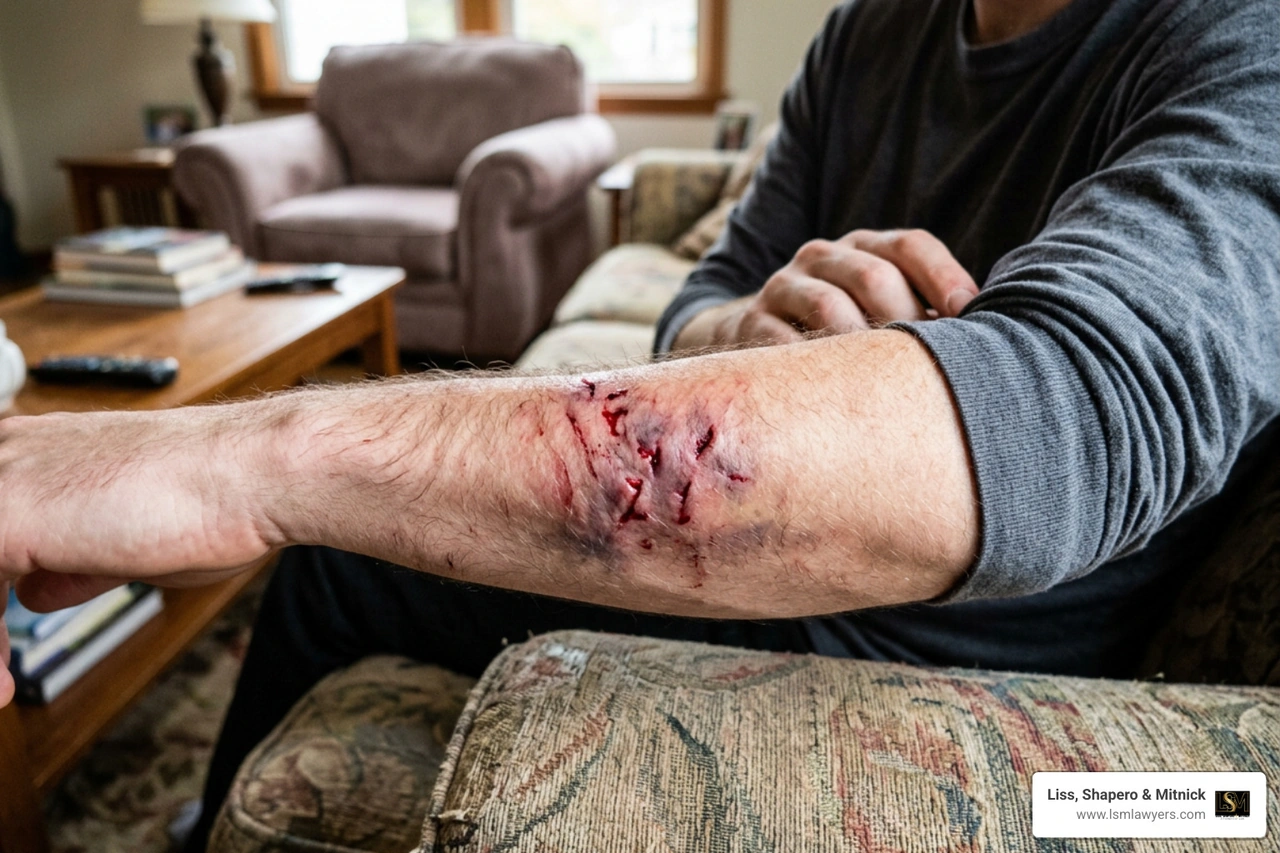
A fresh dog bite may look like one or more small tooth punctures, a scrape, a jagged tear in the skin, or a mix of these injuries. It can also cause bleeding, swelling, bruising, and pain. Unlike a clean cut from a sharp object, dog bites often leave uneven edges and hidden crush damage beneath the skin.
To assess a bite right away:
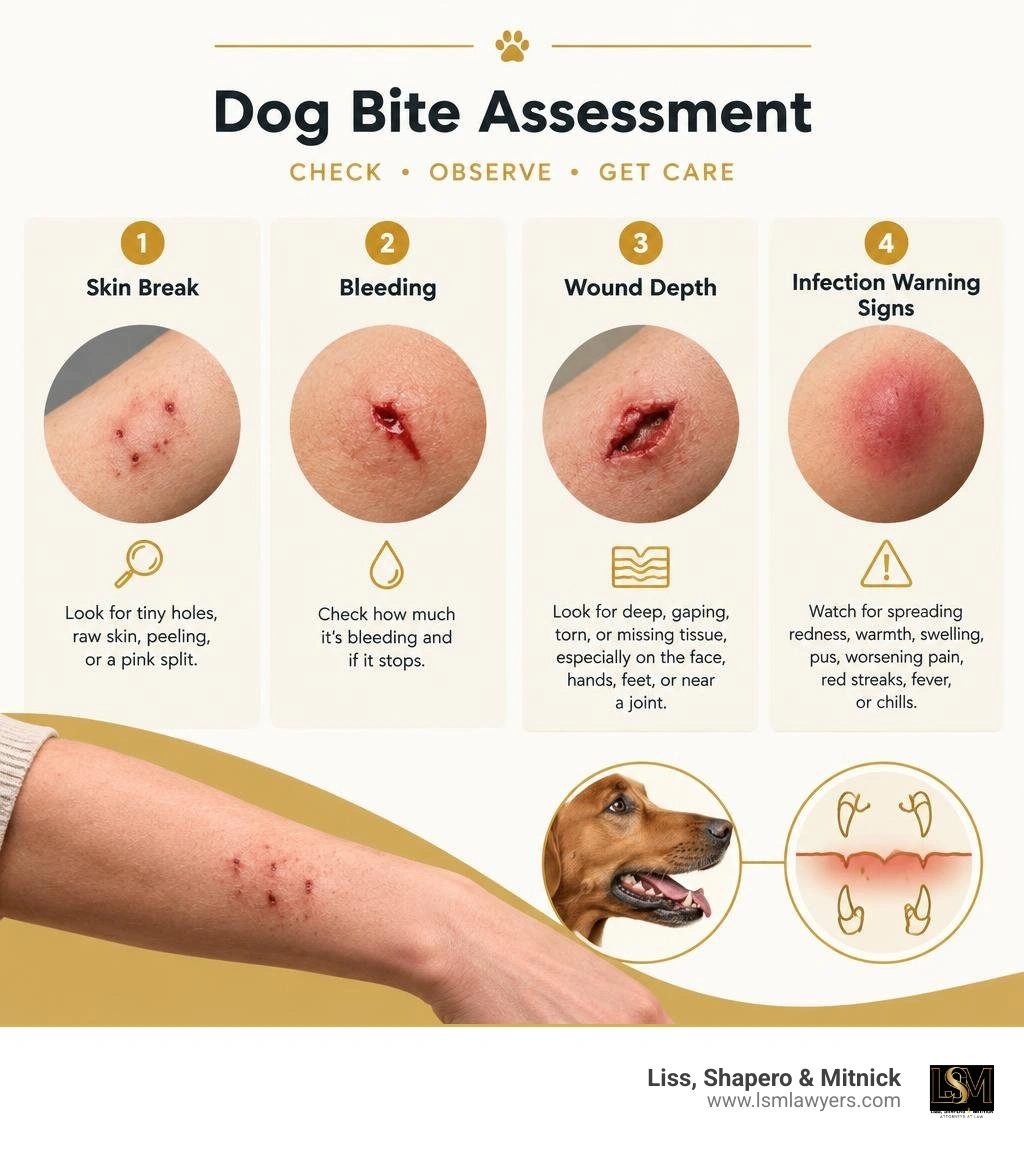
- Check in bright light for tiny holes, raw skin, peeling, or a pink split. A bite can break the skin even if it does not bleed much.
- Look for deep, gaping, torn, or missing tissue, especially on the face, hands, feet, or near a joint.
- Watch for infection signs, including redness that spreads, increasing warmth or swelling, pus, worsening pain, red streaks, fever, or chills.
Dog bites can introduce bacteria deep into tissue. In the United States, dog bites lead to hundreds of thousands of emergency visits each year. Prompt cleaning and medical evaluation are especially important when skin is broken, bleeding will not stop, or the dog's rabies vaccination status is unknown.
What Does a Dog Bite Look Like? Visual Characteristics and Severity Levels
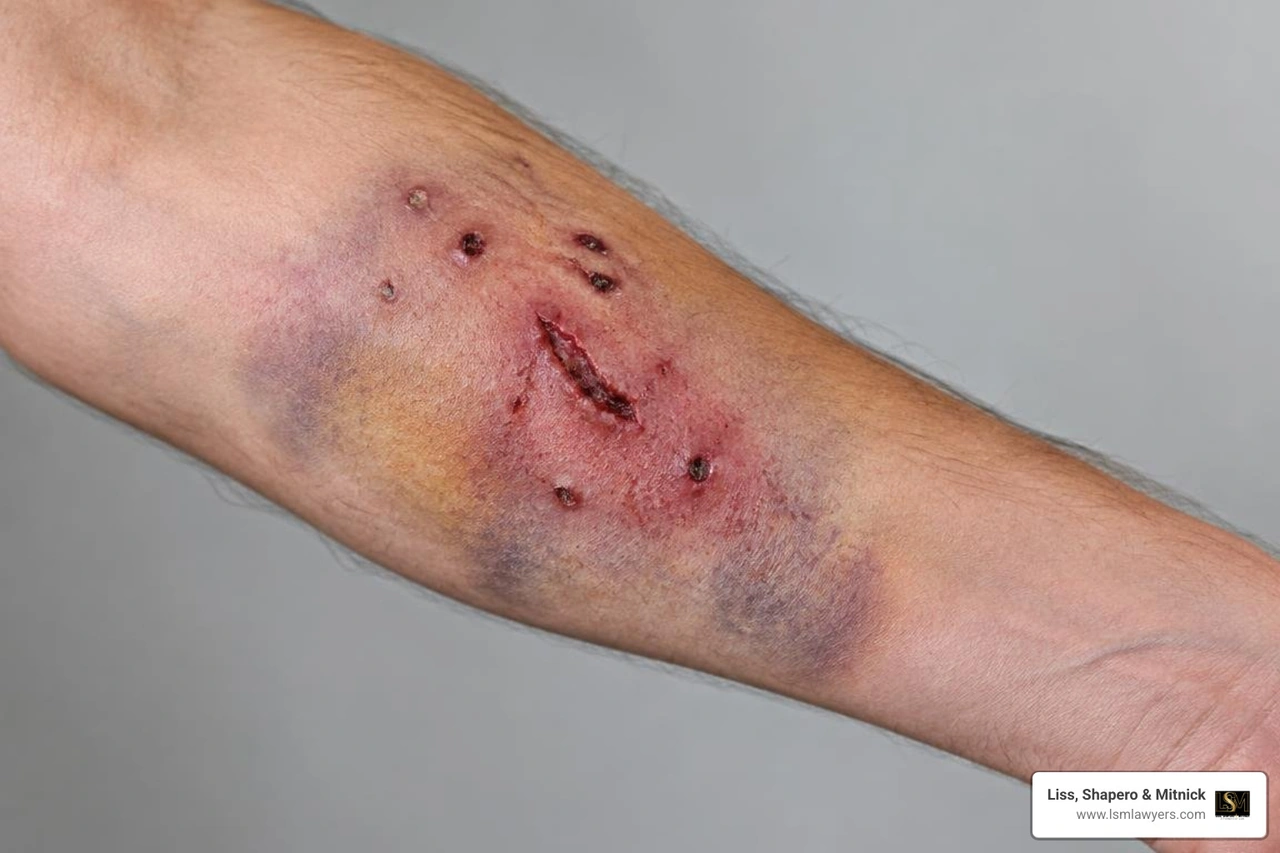
When examining an acute animal injury, knowing what does a dog bite look like is crucial for assessing internal tissue damage. Unlike straight incisions caused by a knife or clean glass, canine bites create complex mechanical trauma. A dog's jaw can exert significant pressure—often ranging from 200 to over 400 pounds per square inch depending on the size and breed. Consequently, canine wounds combine sharp penetration with blunt-force crushing, stretching, and shearing.
According to a (Indramohan et al., 2026), canine attacks account for roughly 60% to 90% of all animal bite injuries evaluated by medical teams. The visual characteristics of these wounds depend heavily on the dog's jaw structure, bite style (such as a single clamp versus a "bite-and-shake" motion), and the victim's anatomy.
What Does a Dog Bite Look Like by Injury Type: Abrasions, Punctures, and Avulsions
Dog bites generally manifest across four distinct clinical injury patterns:
- Superficial Abrasions and Scratches: These appear as scrape marks, redness, or peeled epidermis. While they may not bleed heavily, any disruption of the skin barrier can introduce dangerous oral pathogens into the superficial capillaries.
- Puncture Wounds: Created primarily by the canine teeth, punctures look like small, round, or oval holes. These wounds can be deceptive; a small opening at the surface may conceal deep tract damage reaching into muscles, tendons, or periosteum.
- Jagged Lacerations: When a dog bites and pulls, or when a victim pulls away, the skin tears unevenly. These wounds present with irregular, jagged edges, active bleeding, and visible subcutaneous fat.
- Avulsions and Crush Trauma: In severe attacks, bites result in avulsions—where soft tissue or skin is completely torn away from underlying structures. Surrounding areas typically show pronounced purple and black hematomas, extensive swelling, and structural distortion from blunt force.
What Does a Dog Bite Look Like on Different Parts of the Body?
The visual appearance and medical risk of a dog bite vary by anatomical location:
- Head, Face, and Neck: Children are especially vulnerable to facial bites due to their height and proximity to pets. These wounds often present as jagged facial lacerations, torn lips, or tears across the cheeks and nose, carrying significant risks of cosmetic disfigurement.
- Hands, Wrists, and Fingers: Adults most frequently suffer defensive bites on the upper extremities. A bite on the dorsal hand or fingers may show minor punctures, yet the thin tissue layer puts tendon sheaths and joint capsules at immediate risk of inoculation.
- Legs and Lower Extremities: Bites to the calves or thighs often display pronounced crushing, wide bruising patterns, and deeper muscle tears due to larger soft-tissue mass.
When evaluating any injury, understanding how to assess broken skin helps determine whether bacterial inoculation has occurred, even if the wound is not actively bleeding.
Distinguishing Canine Bites From Cat and Human Bites
Recognizing the biting species is essential because tissue trauma and infection profiles differ substantially:
| Bite Feature | Canine (Dog) Bites | Feline (Cat) Bites | Human Bites |
|---|---|---|---|
| Visual Appearance | Ragged tears, open punctures, crushing, wide bruising | Narrow, pinpoint punctures with minimal initial bruising | Semi-circular or oval contusions, superficial abrasions, clean arches |
| Tissue Damage | High structural and soft-tissue crush trauma | Low blunt trauma; deep, narrow needle-like penetration | Moderate crushing; variable soft-tissue shearing |
| Infection Rate | 3% to 18% (up to 25% in high-risk locations) | Up to 30% to 50% | 10% to 20% (often higher on hands) |
| Primary Pathogens | Pasteurella, Staphylococcus, Streptococcus, Capnocytophaga | Pasteurella multocida (dominant) | Eikenella corrodens, Streptococcus, oral anaerobes |
| Infection Speed | Typically 12 to 24 hours (delayed systemic up to 14 days) | Rapid (often within 6 to 12 hours) | Moderate (typically 24 to 48 hours) |
Visual Progression: Healing Tissue vs. Infected Dog Bite Wounds
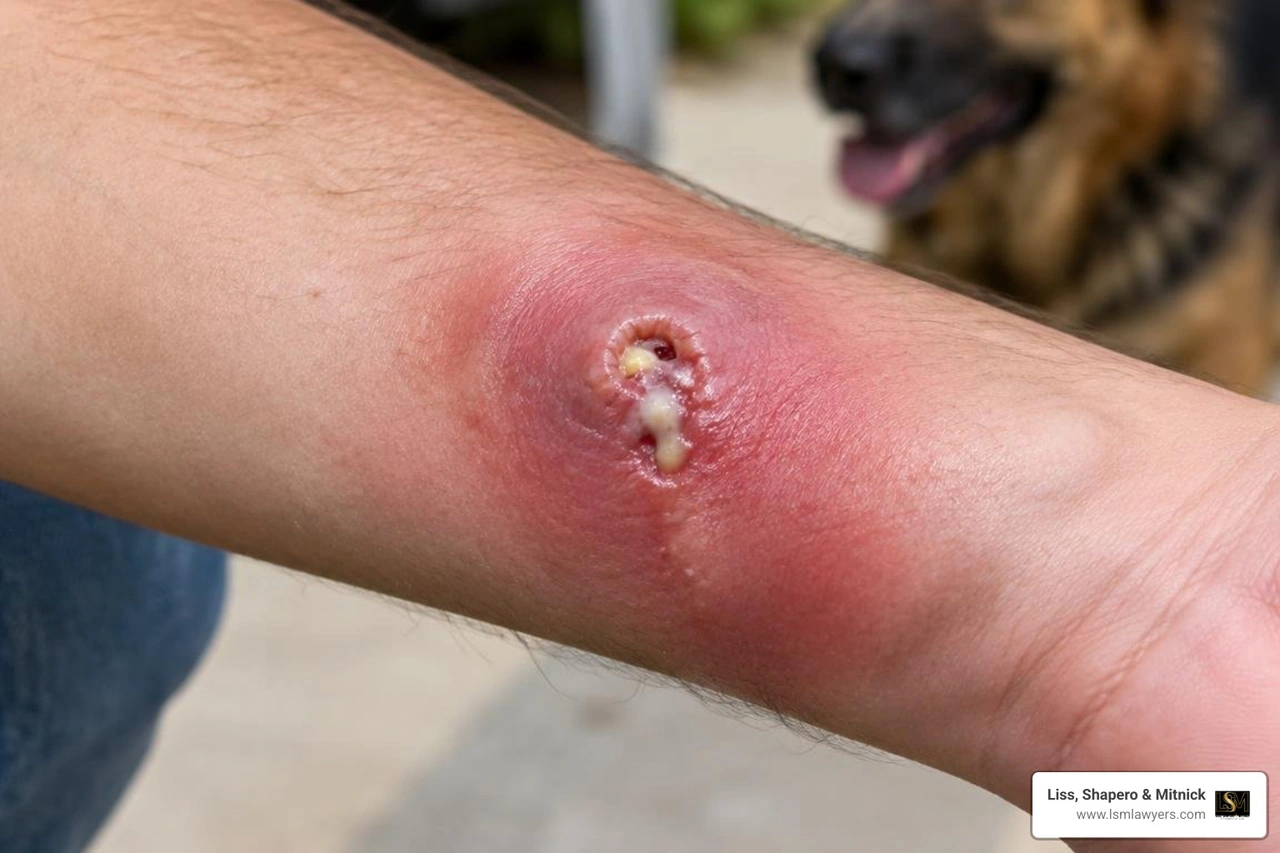
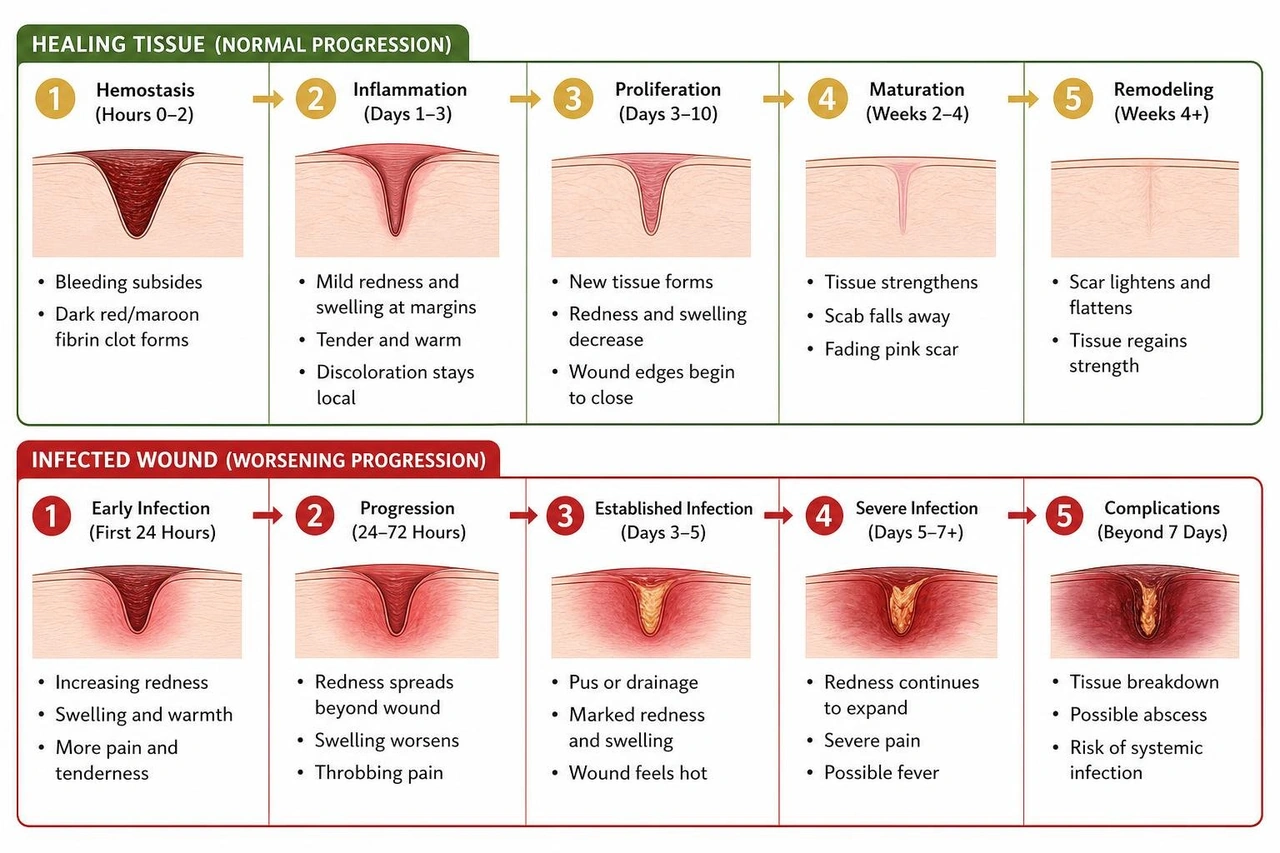
Tracking the visual development of a wound over days and weeks is essential to ensure proper healing and avoid life-threatening complications. When healing normally, a bite wound transitions through predictable stages; when infected, the visual cues change dramatically.
Normal Healing Stages and Tissue Changes
In an uncomplicated bite wound:
- Hemostasis (Hours 0–2): Platelets aggregate, bleeding subsides, and a dark red or maroon fibrin clot forms over the punctures or laceration edges.
- Inflammation (Days 1–3): Mild, localized pinkness (erythema) and slight swelling appear directly along the wound margins. The area may feel tender and warm, but the discoloration does not expand outward.
- Proliferation and Granulation (Days 4–14): A firm, dry scab forms. Beneath the surface, healthy granulation tissue develops—appearing moist, bumpy, and light pink to beefy red. Edges contract inward.
- Remodeling (Weeks to Months): Scabs fall away naturally, leaving a flat, light pink or silvery scar that slowly remodels. Maintaining consistent medical records and tracking dog bite scars and healing milestones provides vital documentation of permanent cosmetic changes.
Visual Red Flags of Infection: Cellulitis, Abscess, and Drainage
Roughly 3% to 18% of dog bites become infected. The visual difference between normal inflammation and bacterial infection involves several clear warning signs:
- Spreading Erythema: Instead of staying confined to the wound edges, redness expands outward across the limb or body part.
- Tense, Fluctuant Swelling: Swelling that becomes progressively tighter, shinier, and firmer indicates localized fluid collection or abscess formation.
- Purulent Drainage: The discharge changes from clear, amber serosanguinous fluid to thick, opaque yellow, green, or cloudy white pus.
- Foul Odor: Anaerobic bacteria produce a noticeable, unpleasant smell emanating from the wound.
- Lymphangitis (Red Streaking): Visible red streaks tracking up an arm or leg toward the heart signify that bacteria have entered the lymphatic vessels.
Systemic Complications: Sepsis, Capnocytophaga, and Rabies
Untreated bacterial proliferation can evolve beyond localized cellulitis into severe systemic illness:
- Capnocytophaga canimorsus: This bacterium, found naturally in canine saliva, can cause severe sepsis, particularly in immunocompromised individuals or those without a spleen. Symptoms can manifest anywhere from 1 to 14 days post-bite, visually marked by blistering, purpuric skin lesions, peripheral gangrene, and rapid tissue necrosis.
- Sepsis: Visual systemic cues include pale, clammy, or mottled skin, persistent shivering, high fever (>100.4°F/38°C), confusion, and extreme lethargy.
- Rabies: While rare in domestic pets with verified records, an unprovoked bite from an animal with unknown vaccination status carries rabies risk. Early visual signs involve abnormal agitation, muscle spasms, autonomic instability, and neurological deterioration.
- Tetanus: Caused by Clostridium tetani, this infection leads to painful muscle stiffness, jaw cramping ("lockjaw"), and involuntary muscle contractions.
Immediate First Aid and Medical Evaluation Criteria
Proper first aid within the first hour of injury drastically reduces the likelihood of severe bacterial complications. Medical literature confirms that initiating clinical wound care and antibiotic prophylaxis within six hours reduces infection incidence from nearly 59% down to roughly 8%.
Following verified Cleveland Clinic guidance on bite first aid helps protect underlying tissue integrity:
Step-by-Step Wound Irrigation and Cleaning
- Control Active Bleeding: Place a clean, sterile cloth or gauze directly over the wound and apply firm, continuous pressure for 5 to 10 minutes.
- Copious Irrigation: Flush the wound thoroughly with lukewarm running tap water or sterile saline for at least 5 to 10 minutes. Use mild, fragrance-free soap to wash the surrounding intact skin. Avoid pouring harsh chemicals like undiluted hydrogen peroxide, rubbing alcohol, or iodine directly into deep wounds, as they destroy viable healing cells.
- Apply Topical Protection: Lightly apply an over-the-counter antibiotic ointment to superficial abrasions to maintain moisture.
- Cover with a Breathable Dressing: Bandage the injury loosely with a sterile, non-stick dressing. Never tape puncture wounds shut or seal them airtight, as trapping anaerobic bacteria increases infection severity.
- Review Next Steps: Follow formal legal and medical best practices for taking immediate action after a dog bite in Michigan to protect your health and legal rights.
When to Seek Immediate Emergency Medical Care
Seek immediate emergency medical attention if any of the following criteria are present:
- Pulsatile, arterial, or uncontrolled bleeding that does not stop after 10 minutes of direct pressure.
- Deep punctures or wide lacerations exposing subcutaneous fat, muscle tissue, fascia, tendons, or bone.
- Loss of sensation, tingling, numbness, or inability to flex/extend fingers, toes, or limbs.
- Bites located on high-risk anatomical zones: the face, head, neck, hands, feet, or over major joints.
- The dog is stray, unknown, acting abnormally, or unable to be quarantined for rabies monitoring.
- More than 5 years have elapsed since your last tetanus toxoid vaccination booster.
- You have an underlying medical condition, such as diabetes, liver disease, vascular disease, or an immunocompromised status.
In clinical settings, first-line prophylactic medical therapy typically involves a course of oral amoxicillin-clavulanate (or suitable alternatives for penicillin-allergic patients) combined with surgical debridement or cosmetic wound closure when appropriate.
Documenting Dog Bite Injuries for Legal and Insurance Protection
Dog bite injuries frequently result in substantial medical bills, physical therapy costs, lost income, and long-term psychological distress. Under Michigan law (MCL 287.351), dog owners are held strictly liable for bite injuries suffered by individuals who are lawfully on public or private property without having provoked the animal.
To preserve vital evidence for insurance adjusters and legal claims:
- Photograph the Injury Immediately: Take high-resolution photos of the bite before cleaning, after emergency room dressing, and throughout every stage of healing. Place a clean coin or ruler next to the wound for scale. Follow strategic protocols for preserving evidence and bite photos to capture the true depth, bruising patterns, and scarring progression.
- Gather Contact and Vaccination Information: Obtain the dog owner's full name, residential address, homeowner's or renter's insurance details, and animal veterinary vaccination records.
- File an Official Report: Report the incident promptly to local municipal animal control or the county sheriff's department. Official incident reports verify quarantine protocols and substantiate the attack timeline.
- Retain Medical Documentation: Keep detailed copies of discharge instructions, surgical notes, diagnostic imaging reports, prescription receipts, and out-of-pocket expenses.
Frequently Asked Questions About Dog Bite Wounds
How can you tell if a dog bite broke the skin if there is no blood?
Inspect the bite area under bright, direct lighting using a magnifying glass if needed. Look for superficial scrapes, faint pink splits, white scuffing of the stratum corneum, clear serous weeping, or localized stinging when washed with water. If the outer epidermal barrier is disrupted in any way, bacteria present in canine saliva can enter underlying tissue, necessitating medical assessment even without active bleeding.
How quickly do signs of infection appear after a dog bite?
Infection symptoms typically emerge within 12 to 24 hours of an attack. Common pathogens such as Pasteurella can produce noticeable swelling, heat, and severe pain in as little as 6 to 8 hours. Systemic bacterial complications like Capnocytophaga can have an incubation window ranging between 1 and 14 days, highlighting the necessity of ongoing daily wound monitoring.
What should you do immediately if a dog bite looks infected?
If you observe expanding redness, red streaks, purulent drainage, worsening swelling, or fever, seek medical care at an emergency department or urgent care center immediately. Do not squeeze, lance, or attempt to drain the wound at home. A physician must evaluate the wound, obtain bacterial cultures if indicated, prescribe targeted systemic antibiotics, and check for deep-space abscesses or tendon sheath involvement.
Conclusion
Recognizing what a dog bite looks like across all stages—from fresh punctures to dangerous secondary infections—is vital to protecting your long-term health. Because animal bites carry significant risks of permanent nerve damage, deep infection, and disfiguring scars, immediate medical intervention must always be your first step.
Once your physical well-being is stabilized, holding the responsible owner accountable helps ensure you are not left bearing the financial burden of costly emergency treatments, plastic surgery revisions, and missed wages. At Liss, Shapero & Mitnick, our legal team draws upon extensive insight into insurance industry strategies to help bite victims throughout Berkley, Metro Detroit, and across Michigan secure full compensation. If you or a family member has suffered an animal attack, contact our Michigan dog bite injury attorneys today for a dedicated case evaluation.
Scientific References
Gitanjali Indramohan, Mia Marietta, Sara A. Collier. "Animal Bites." StatPearls Publishing, 2026. NBK430852.