.svg)
.avif)


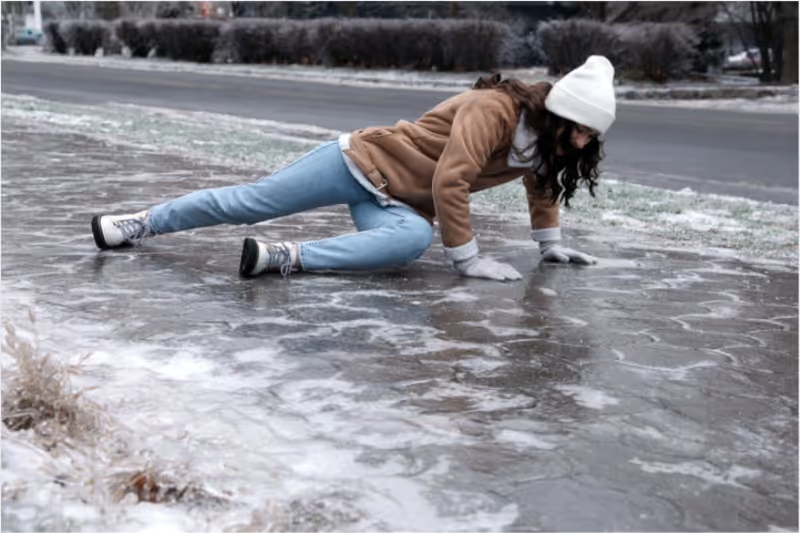
Michigan winters are known for their unpredictability, and some of the most dangerous conditions arise not during a storm—but in the days that follow. As temperatures fluctuate, snow begins to melt during the day and refreeze overnight, creating a constantly shifting landscape of hazards. What appears to be a harmless patch of pavement or a wet store entrance can quickly become a serious risk.
Melting snow often leads to water pooling on sidewalks, parking lots, and entryways. When temperatures drop again, that moisture turns into nearly invisible ice, commonly known as black ice. At the same time, slush and water tracked indoors create slick surfaces that are easy to overlook. These conditions can exist anywhere—from grocery store entrances to apartment walkways—putting unsuspecting individuals at risk.
A routine trip to the store or a short walk across a parking lot can change instantly. One misstep on hidden ice or a wet floor can lead to a sudden fall, resulting in injuries that may require extensive medical treatment and recovery. These incidents are not always unavoidable; in many cases, they occur because proper precautions were not taken.
Premises Liability in Michigan
Legal Duty of Property Owners
Under Michigan law, property owners and businesses have a responsibility to maintain their premises in a reasonably safe condition. This duty becomes especially important during winter months, when hazardous conditions are both common and foreseeable.
Property owners are expected to take proactive steps, including:
- Maintaining reasonably safe premisesThis includes ensuring that walkways, parking lots, and entryways are free from dangerous accumulations of ice, snow, and water.
- Inspecting for hazards during winter conditions
Regular inspections are critical, particularly during periods of thaw and refreeze when conditions can change rapidly throughout the day. - Addressing dangerous accumulations promptly
Salting icy areas, clearing snow, placing mats, and drying wet floors are all reasonable measures to reduce the risk of injury.
The “Open and Obvious” Doctrine in Michigan
Michigan’s premises liability law includes what is commonly referred to as the open and obvious Michigan doctrine. This legal principle can significantly impact whether a property owner is held liable for a slip and fall.
- What the doctrine means
If a hazard is considered “open and obvious,” meaning an average person would notice and avoid it upon casual inspection, the property owner may not be held liable. - When property owners may not be responsible
Visible snow, clearly icy patches, or obvious wet conditions may fall under this rule, limiting a victim’s ability to recover damages. - Important exceptions
Even when a hazard is visible, liability may still exist if the condition is unreasonably dangerous. For example:- Black ice that is effectively invisible
- Icy conditions in areas where individuals are expected to walk
- Situations where a person has no reasonable alternative path
Notice and Knowledge
A key issue in many slip and fall cases is whether the property owner knew—or should have known—about the hazardous condition.
- Actual notice
This occurs when a property owner or employee is directly aware of the hazard, such as seeing ice form or receiving a complaint. - Constructive notice
Even if the owner did not have direct knowledge, they may still be responsible if the hazard existed long enough that they should have discovered it through reasonable inspections. - Why timing matters
The length of time a hazard has been present can determine liability. A patch of ice that formed minutes ago may be treated differently than one that has been there for hours without action. - Role of routine inspectionsRegular monitoring of the property—especially during fluctuating winter conditions—is essential. Failure to implement reasonable inspection practices can be evidence of negligence.
The Role of Maintenance and Prevention
Snow and Ice Removal Responsibilities
In Michigan, property owners are expected to respond to winter conditions in a timely and reasonable manner. This responsibility becomes even more critical during thaw-and-refreeze cycles, when ice can form rapidly and without warning.
Key responsibilities often include:
- Salting, sanding, and plowing
These are standard methods used to reduce slippery conditions on sidewalks, parking lots, and entryways. Proper application is essential to ensure effectiveness. - Timely response after snowfall or thaw
Conditions can change quickly during a winter thaw. Property owners must monitor their premises and act promptly when melting snow refreezes or creates hazardous conditions.
Importance of Maintenance Logs
One of the most important pieces of evidence in a slip and fall case is often something the injured person never sees at the time of the accident: maintenance records.
- Demonstrating reasonable care
Maintenance logs can show whether a property owner took appropriate steps to inspect and maintain the premises. - Documenting safety efforts
Records may include timestamps for salting, snow removal, inspections, and cleanup efforts—providing a timeline of how the property was managed. - Identifying gaps or inconsistencies
Missing entries, long gaps between inspections, or incomplete records can suggest that reasonable care was not taken.
Indoor Safety Measures
Slip and fall risks do not end at the door. During a winter thaw, interior spaces can become just as dangerous as outdoor walkways.
- Floor mats and warning signs
Properly placed mats help absorb moisture, while visible signage alerts visitors to potential hazards. - Regular monitoring of entryways
High-traffic areas require frequent attention to ensure water and slush are not accumulating. - Immediate cleanup of tracked-in water
Wet floors can quickly become slippery. Prompt cleaning is essential to reduce the risk of falls.
Building a Strong Slip and Fall Claim
Evidence That Matters
Strong evidence is the foundation of any successful premises liability claim. The more documentation available, the clearer the picture of what happened.
- Photos of the hazardImages of black ice, wet floors, lack of signage, or unsafe conditions can provide powerful visual proof.
- Surveillance footage
Many businesses have cameras that may capture the incident or show how long the hazard existed. - Witness statements
Testimony from others who saw the fall or were aware of the condition can support your claim. - Incident reports
Reports created by store employees or property managers can help establish when and how the accident occurred.
Proving Negligence
To recover compensation, it must be shown that the property owner failed to meet their legal duty. This often involves demonstrating:
- Failure to inspect or maintain the property
A lack of routine checks can allow hazardous conditions to go unnoticed. - Inadequate snow and ice removal
Delayed or insufficient efforts to address winter conditions can create unsafe environments. - Lack of warnings or preventative measures
Failing to place signs, mats, or barriers may expose visitors to unnecessary risk.
Special Considerations for Black Ice Claims
Black ice cases present unique challenges, particularly under Michigan law.
- Difficulty in proving visibilityBlack ice is often transparent and difficult to detect, making it harder to argue that it was “open and obvious.”
- Challenging the “open and obvious” defense
Property owners may claim that the hazard should have been noticed. However, if the ice was effectively invisible or unavoidable, that defense may not apply. - Key elements of a black ice claim Michigan
Successful claims often focus on:- Whether the property owner had notice of the condition
- Whether reasonable steps were taken to address it
- Whether the hazard posed an unavoidable or unreasonable risk
When Winter Conditions Lead to Preventable Harm
Winter thaw conditions can create deceptively dangerous environments, where hidden ice and poorly maintained walkways put unsuspecting individuals at risk. What may appear to be a routine trip into a store or across a parking lot can quickly turn into a serious accident with lasting consequences.
While Michigan winters are unavoidable, many of the hazards that lead to slip and fall injuries are not. Property owners have a responsibility to anticipate these conditions and take reasonable steps to protect those who enter their premises. When they fail to do so—by neglecting maintenance, ignoring hazardous conditions, or failing to provide proper warnings—the results can be severe and entirely preventable.
Holding negligent parties accountable is not only about recovering damages—it is about reinforcing the importance of safety and preventing similar injuries from happening to others.
Speak With a Michigan Slip and Fall Lawyer Who Puts You First
If you or a loved one has been injured in a slip and fall accident caused by icy or unsafe conditions, you deserve experienced guidance, clear answers, and strong advocacy. At Liss, Shapero & Mitnick, you are treated like family—supported by a dedicated legal team that works together to protect your rights and help you move forward with confidence.
Contact Liss, Shapero & Mitnick today for a free consultation:
Address:
2695 Coolidge Highway
Berkley, MI 48072
Phone: 248-584-1300
Toll Free: 1-855-LISS-LAW (1-855-547-7529)
Fax: 248-584-1323