



A spinal cord injury changes the shape of a family's life almost overnight. One day you are commuting on I-75 or running errands in Royal Oak, and the next you are learning words like incomplete injury, rehab unit, and wheelchair fitting. Doctors talk about months of recovery. Insurance adjusters start calling. Someone has to figure out how the bills will be paid, who will help at home, and what happens to the paycheck.
Michigan's no-fault system was built to pay many of these costs regardless of who caused the crash, but the 2019 reform changed how much coverage people carry and how certain care is paid. Below, we explain the no-fault benefits that may be available after a spinal cord injury, how coverage choices affect lifetime care, and when a separate claim against the at-fault driver may come into play.
Why Spinal Cord Injuries Are Different
Spinal cord injuries range widely. Some people regain significant function over time, while others face permanent paralysis. Doctors often describe an injury as complete or incomplete and by the level of the spine involved. An injury higher on the spine can affect the arms, breathing, and much more, while a lower injury may affect the legs and core.
What makes these cases different from most crash claims is the timeline. The costs do not stop when you leave the hospital. Rehabilitation, equipment, attendant care, home changes, and medical follow-up may continue for years or for life. That is why the details of your no-fault coverage matter so much.
No-Fault Benefits That May Help After a Spinal Cord Injury
Personal injury protection, or PIP, is the core of Michigan no-fault. Your claim usually starts with your own auto policy, or a policy in your household, even if another driver caused the crash. We have a full overview of Michigan no-fault benefits, but here is how the main categories tend to apply to spinal cord injuries.
Medical Care and Rehabilitation
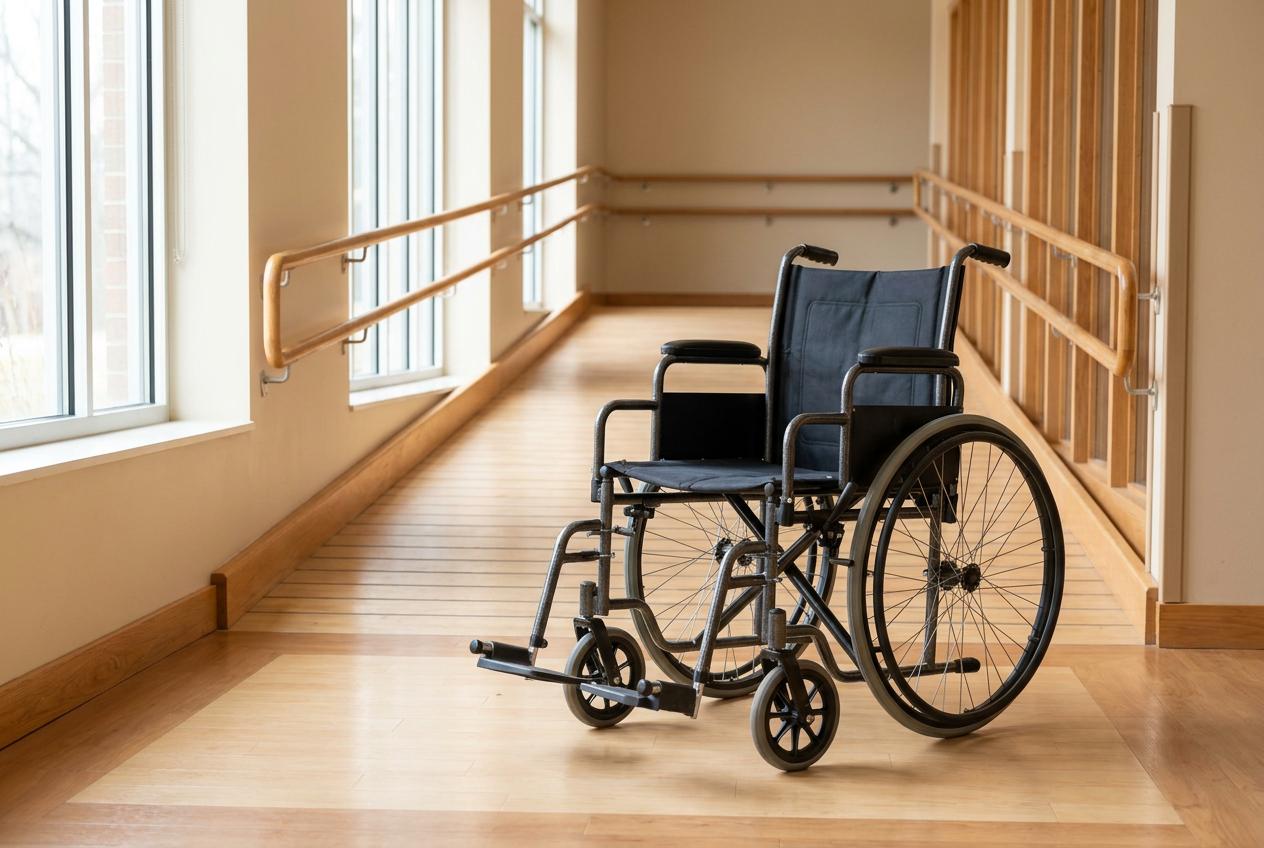
Michigan law covers reasonable charges for reasonably necessary products, services, and accommodations for an injured person's care, recovery, or rehabilitation. After a spinal cord injury, that may include hospital care, surgery, inpatient and outpatient rehab, medications, wheelchairs and other equipment, and, depending on the facts, changes to a home or vehicle. Insurers may dispute whether a specific item is reasonably necessary, so documentation from treating doctors matters.
Lost Wages
Work loss benefits generally pay 85% of the gross income you would have earned, for up to three years after the crash, subject to a monthly maximum that the state adjusts each year. For someone who may never return to the same job, that three-year window is an important limit to understand early.
Replacement Services and Mileage
Replacement services cover help with household tasks you can no longer do, such as cleaning, laundry, and yard work, up to $20 per day for up to three years. Mileage to medical appointments may also be covered. Our guide on documenting mileage, replacement services, and attendant care explains how to keep records insurers are more likely to accept.
Attendant Care at Home
Attendant care is often the largest ongoing need after a spinal cord injury. It can include help with bathing, dressing, transfers, and other daily care. Many families step in to provide it, and Michigan law may allow family members to be paid for attendant care.
The 56-Hour Rule for Family Caregivers
Under the 2019 reform, for care provided after July 1, 2021, an insurer generally is only required to pay for up to 56 hours per week of in-home attendant care provided by a relative, a household member, or someone with a prior business or social relationship with the injured person. That limit does not apply to care from a commercial agency or in a facility, and insurers may contract to pay for more hours. Michigan's insurance regulator, DIFS, has also stated that people remain entitled to the attendant care that is reasonably necessary, with hours beyond 56 coming from other providers or by agreement.
Crashes Before the 2019 Reform
If your injury happened before the reform took effect in June 2019, the Michigan Supreme Court ruled in 2023, in Andary v. USAA, that the new fee limits and the in-home hour limit do not apply to you. Families caring for someone injured years ago should keep that in mind if an insurer changes how it pays.
How Your PIP Coverage Level Affects Lifetime Care
Before the reform, every Michigan auto policy included unlimited lifetime PIP medical coverage. For policies issued or renewed after July 1, 2020, drivers choose among several levels. For a spinal cord injury, the difference between those levels can be enormous.
For the most serious injuries, Michigan's Catastrophic Claims Association reimburses insurers for large claims behind the scenes, but that does not change what your own policy level allows.
When You May Have a Claim Against the At-Fault Driver
No-fault benefits do not cover pain and suffering. To recover those losses, Michigan law requires a serious impairment of body function, permanent serious disfigurement, or death. Spinal cord injuries often raise this question directly. We explain how this differs from PIP in our FAQ on the difference between no-fault benefits and a personal injury lawsuit.
Excess Economic Losses
Michigan law also allows a claim against the at-fault driver for economic losses beyond what PIP pays. That may include medical costs above a policy's PIP limit and lost wages after the three-year work loss period ends. Whether that claim has real value often depends on the at-fault driver's coverage, and your own underinsured motorist coverage may also come into play.
Deadlines That Can Affect Your Benefits
No-fault claims have a short clock. Generally, written notice must reach the insurer within one year of the crash, and you can usually only recover benefits for expenses incurred within the year before a lawsuit is filed. Our FAQ on the one-year-back rule walks through how that works. A claim against the at-fault driver generally has a three-year filing period.
Insurers may also send you to an independent medical examination. If benefits are cut off afterward, our FAQ on IMEs and benefit cutoffs explains your next steps.
How LSM Lawyers Can Help After a Spinal Cord Injury
A spinal cord injury claim is rarely one claim. It is often a long-running relationship with a no-fault insurer, a possible case against the at-fault driver, and a stack of decisions about care, equipment, and work. Our team handles no-fault and serious injury matters for families across Oakland, Macomb, and Wayne counties. We can review the policy and PIP selection form, help organize attendant care records, and push back when benefits are delayed or denied.
Frequently Asked Questions
Moving Forward After a Spinal Cord Injury
Life after a spinal cord injury involves a new set of routines, for the person who was hurt and for everyone who loves them. Some days the focus is therapy and small gains. Other days it is paperwork, equipment orders, and phone calls. Both are part of rebuilding.
You do not have to master Michigan no-fault law to protect your family. Knowing the main benefits, the deadlines, and the questions to ask can help you avoid gaps in care and make steadier decisions about what comes next.
Talk to Someone Who Actually Picks Up the Phone
If you or someone you love suffered a spinal cord injury in a crash in Berkley, Oakland County, or anywhere across Metro Detroit, we are here to help you sort through benefits and options. At LSM Lawyers, Tony Shapero often speaks with new clients personally, and our team stays with families for the long haul.
This content is for general informational purposes only and does not constitute legal advice. Contact LSM for guidance specific to your situation. Past results do not guarantee future outcomes.