
When to Get Dog Attack Legal Help in Michigan
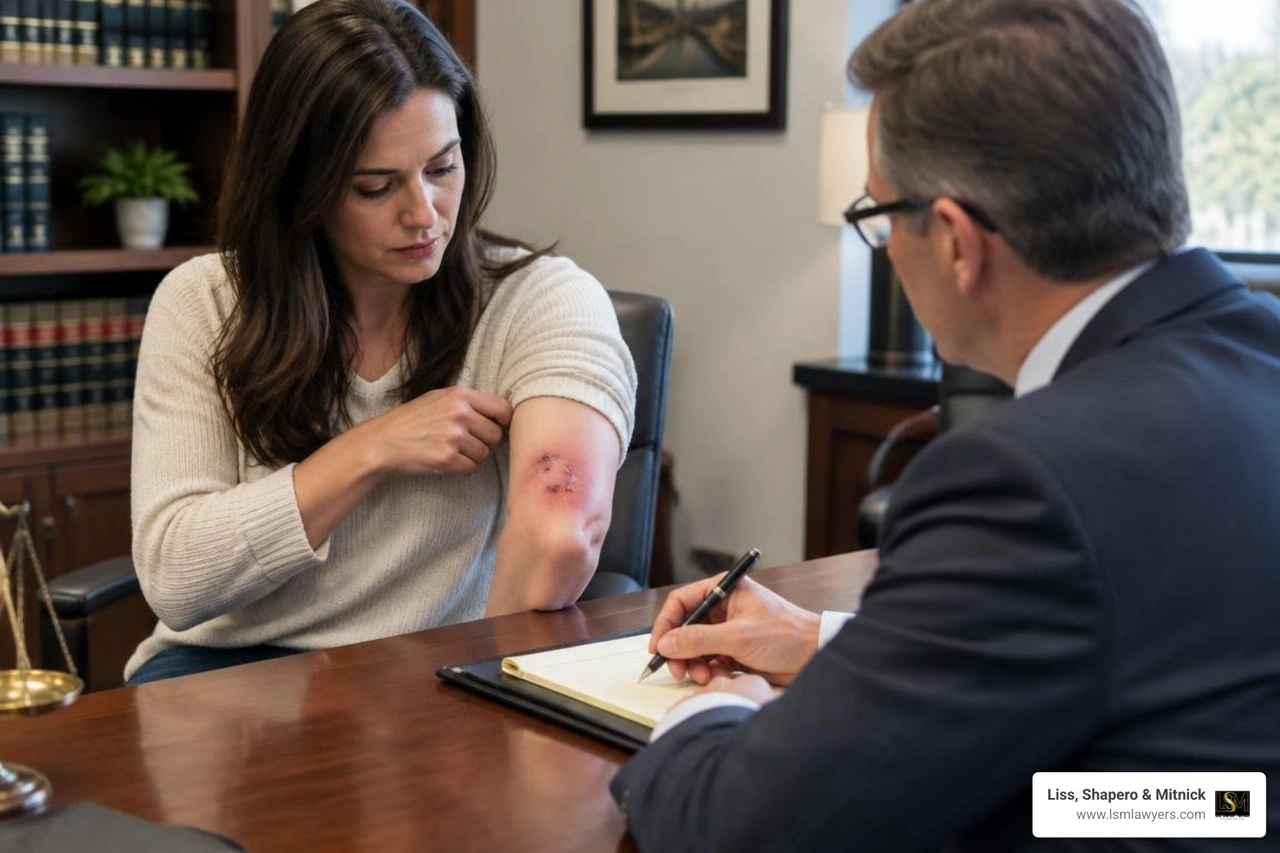
If you need dog attack legal help in Michigan, get medical care first. Report the attack to animal control, photograph your injuries, collect witness details, and keep any torn clothing. Speak with a personal injury attorney promptly if you face deep wounds, lasting scars, lost income, or an insurer that disputes your claim. Do not settle before you understand whether you may need more treatment.
I'm Anthony Shapero, managing partner at Liss, Shapero & Mitnick. I once represented insurers; today, I use that experience to provide dog attack legal help and challenge offers that overlook the full cost of an injury.
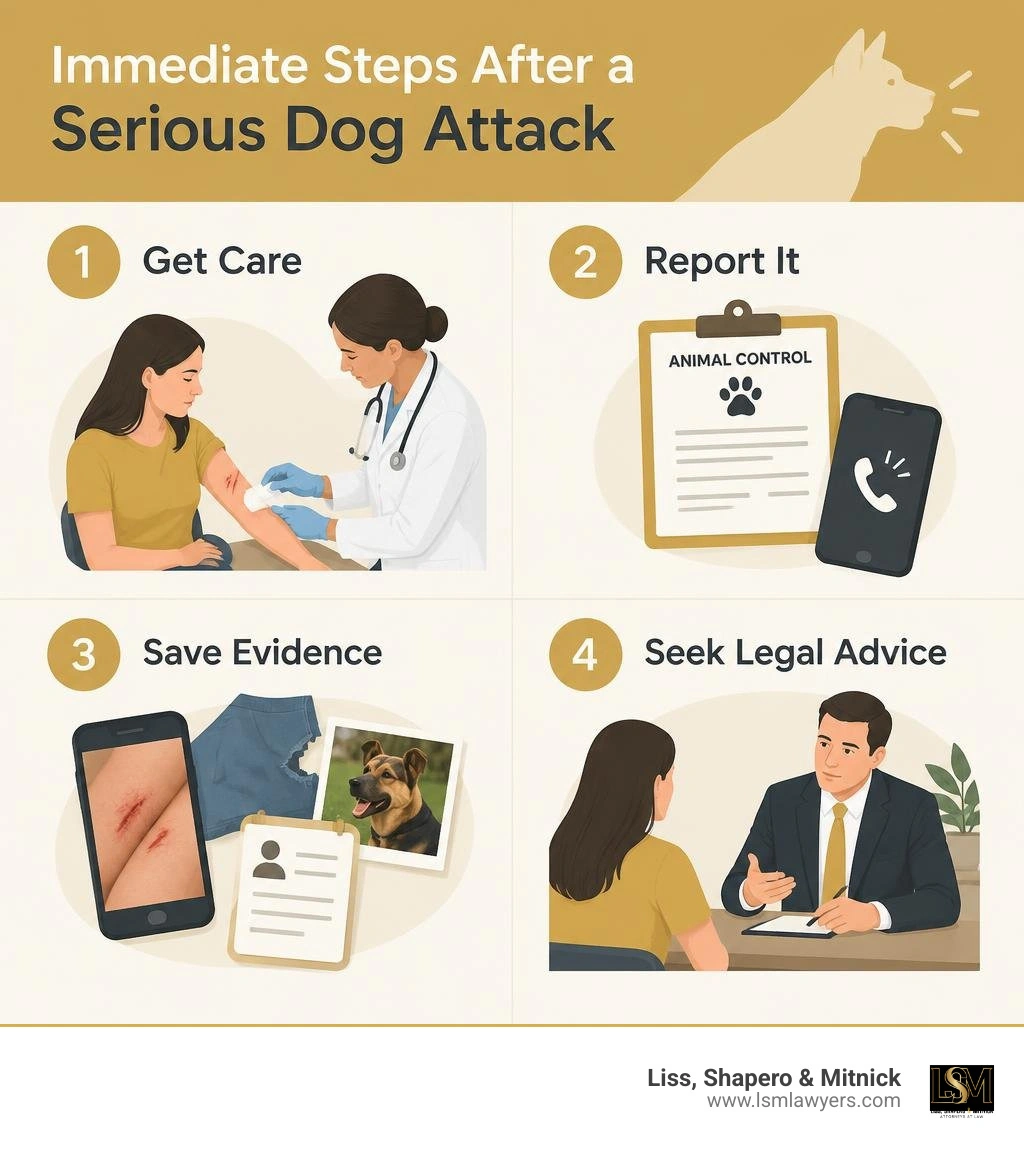
Dog attack legal help terms simplified:
Critical Signs You Need Dog Attack Legal Help Immediately
Every year, millions of Americans require medical attention after animal attacks. When an attack escalates beyond a superficial scratch into emergency room care, deep puncture wounds, torn tissue, or fractured bones, the legal and financial stakes rise immediately. Dog bites are not simple accidents; they are violent, traumatizing events that often leave victims facing mounting medical bills, time away from work, and lasting emotional distress.
Insurance companies are quick to mobilize after an animal attack, but their goal is rarely to ensure you receive complete financial recovery. As a former insurance defense attorney, I know that insurers look for every opportunity to minimize payouts, delay claims, or blame the victim. Getting experienced legal guidance early prevents adjusters from taking advantage of you while you are focused on healing.

Severe Physical Trauma and Scarring Requiring Dog Attack Legal Help
Canine jaws exert hundreds of pounds of pressure per square inch. This force crushes tissue, severs nerves, and tears muscle. In many severe cases, victims require emergency wound debridement, specialized plastic surgery, and long-term rehabilitation.
When an attack causes deep lacerations or facial injuries, scarring is almost inevitable. Properly evaluating dog bite scar injury severity requires looking beyond immediate emergency room bills. Permanent disfigurement affects self-esteem, personal relationships, and professional opportunities. Modern cosmetic revisions often involve laser therapy, dermabrasion, or tissue grafting—procedures that may take months or years to complete and cost tens of thousands of dollars out of pocket.
Beyond physical trauma, serious attacks frequently trigger debilitating psychological distress, including post-traumatic stress disorder (PTSD), severe anxiety around animals, sleep disturbances, and depression. A thorough legal strategy accounts for both these emotional injuries and permanent dog bite scarring to demand fair compensation.
Disputed Liability, Trespassing Claims, and Allegations of Provocation
To avoid paying substantial settlements, insurance adjusters frequently argue that the victim was trespassing or provoked the animal. These defenses are especially common when bites occur during everyday social situations or routine neighborhood activities:
- Delivery and Service Workers: Delivery drivers, postal carriers, and utility workers lawfully entering private property to perform their jobs are frequently attacked by unrestrained dogs.
- Guests at Social Gatherings: Friends and neighbors attending backyard parties or holiday events often face denials when an owner claims the guest "startled" or "provoked" the pet.
- Parks and Neighborhood Sidewalks: Encounters on public paths frequently lead to disputes over leash control and animal restraint.
Knowing how to handle gathering evidence in neighborhood dog attacks makes all the difference in shutting down these bad-faith defenses before they harm your case.
Dealing with Homeowners Insurance and Denied Claims
The vast majority of dog bite settlements are paid through homeowners or renters insurance policies, not directly out of the dog owner's pocket. However, dealing with an insurance company without legal representation puts you at a significant disadvantage.
Adjusters often present quick, lowball settlement offers within days of an attack. These initial offers are designed to close the claim before you understand the full extent of your injuries, the cost of future scar revision surgeries, or the presence of outstanding healthcare liens. When handling homeowners insurance dog bite claims, having seasoned legal counsel protects you from accepting an inadequate settlement that leaves you paying future medical bills yourself.
Understanding Liability: Strict Liability vs. The One-Bite Rule
Animal attack laws across the country generally fall into two categories: strict liability and the traditional common law one-bite rule. Understanding which standard applies is central to building a successful claim.
| Legal Standard | Proof Required | State Examples | Key Advantage for Victims |
|---|---|---|---|
| Strict Liability | Lawful presence and lack of intentional provocation; no need to prove prior aggression. | Michigan, Illinois, Florida, Washington, Arizona | The owner is automatically liable for bite injuries, even on the dog's first attack. |
| One-Bite Rule / Negligence | Must prove the owner knew or should have known the animal had vicious propensities (scienter). | New York (for non-medical damages), Texas, Virginia | Requires demonstrating prior aggressive behavior, bites, or violations of restraint laws. |
In strict liability jurisdictions, victims do not have to prove that the owner was careless or that the dog had a history of violence. Under Michigan's primary dog bite statute, MCL 287.351, an owner is held strictly liable for damages if their dog bites a person who is in a public place or lawfully on private property, provided the victim did not provoke the dog.
Strict Liability Dog Bite Laws in Illinois and Other Key States
Strict liability provides robust protection for injured individuals. In states governed by strict liability statutes—such as Illinois under the Illinois Animal Control Act, or Michigan under statutory law—the owner cannot escape liability by claiming, "My dog has never bitten anyone before."
Illinois, for example, consistently ranks second only to California in total dog bite insurance claims, handling hundreds of severe animal attack cases annually. Whether you are consulting our comprehensive dog bite injury guide for 2026 or navigating local statutory claims across the Midwest, strict liability statutes remove the difficult burden of proving prior viciousness, streamlining your path to financial recovery.
Common Defenses Used by Dog Owners and Insurers
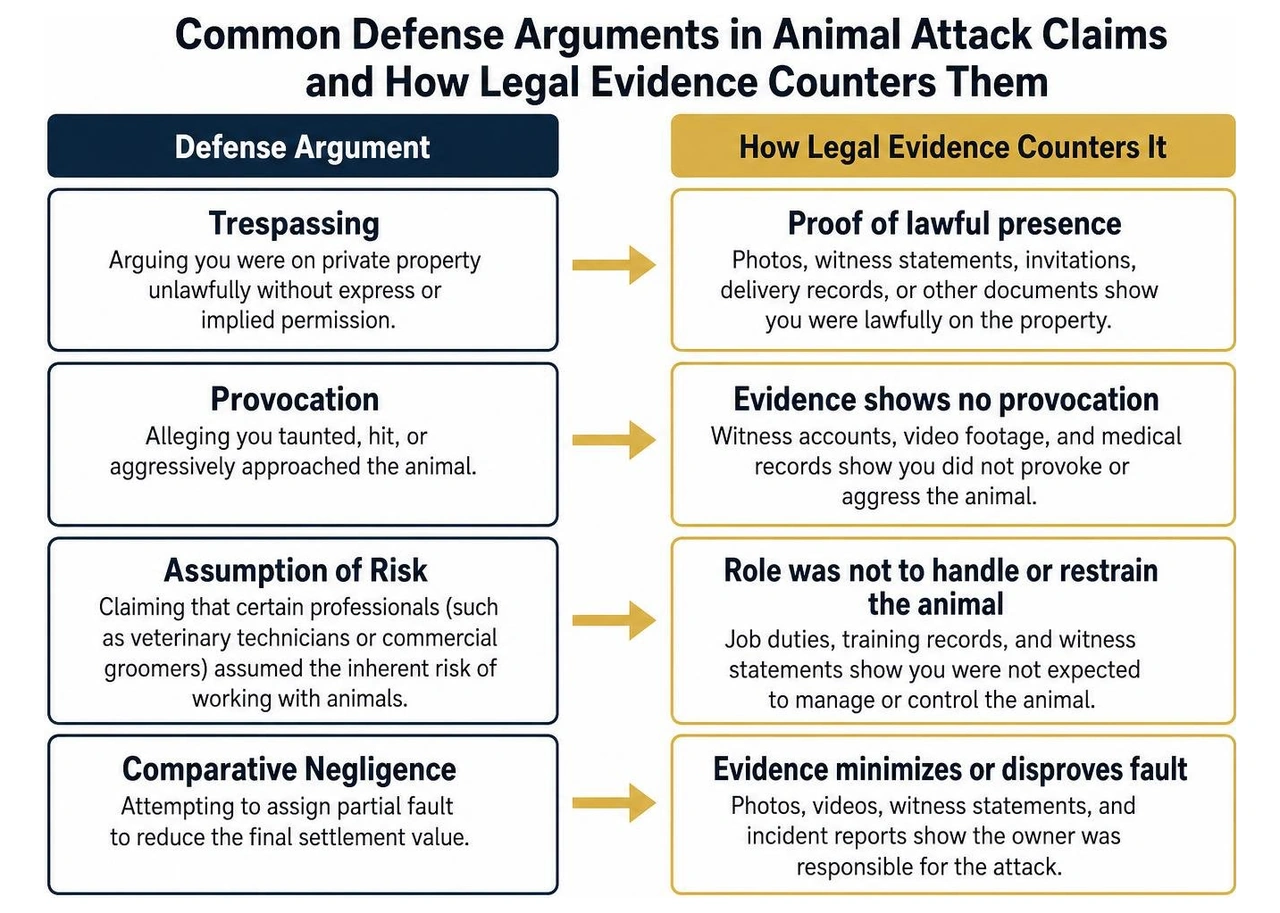
Even under strict liability, insurance defense attorneys will try to eliminate or reduce your payout using specific legal arguments:
- Trespassing: Arguing you were on private property unlawfully without express or implied permission.
- Provocation: Alleging you taunted, hit, or aggressively approached the animal.
- Assumption of Risk: Claiming that certain professionals (such as veterinary technicians or commercial groomers) assumed the inherent risk of working with animals.
- Comparative Negligence: Attempting to assign partial fault to reduce the final settlement value.
Essential Evidence Needed to Build a High-Value Injury Claim
A successful injury claim requires clear, documented proof. Knowing what to do immediately following an attack ensures crucial evidence is preserved before it disappears or witnesses forget key details.
Documenting Medical Care, Infection Risks, and Physical Evidence
Canine mouths harbor aggressive bacteria, including Pasteurella, Staphylococcus, and Streptococcus. Puncture wounds easily force these pathogens deep into muscle and fascia, leading to life-threatening infections such as cellulitis, MRSA, or sepsis if not treated immediately.
When treating injuries, medical teams must assess rabies risks, administer tetanus boosters, and perform surgical irrigation. To support your claim:
- Photograph the Injuries: Take high-resolution photos of all wounds before and after medical treatment. Understanding what severe dog bite wounds look like over time helps demonstrate the physical trauma to insurers and juries.
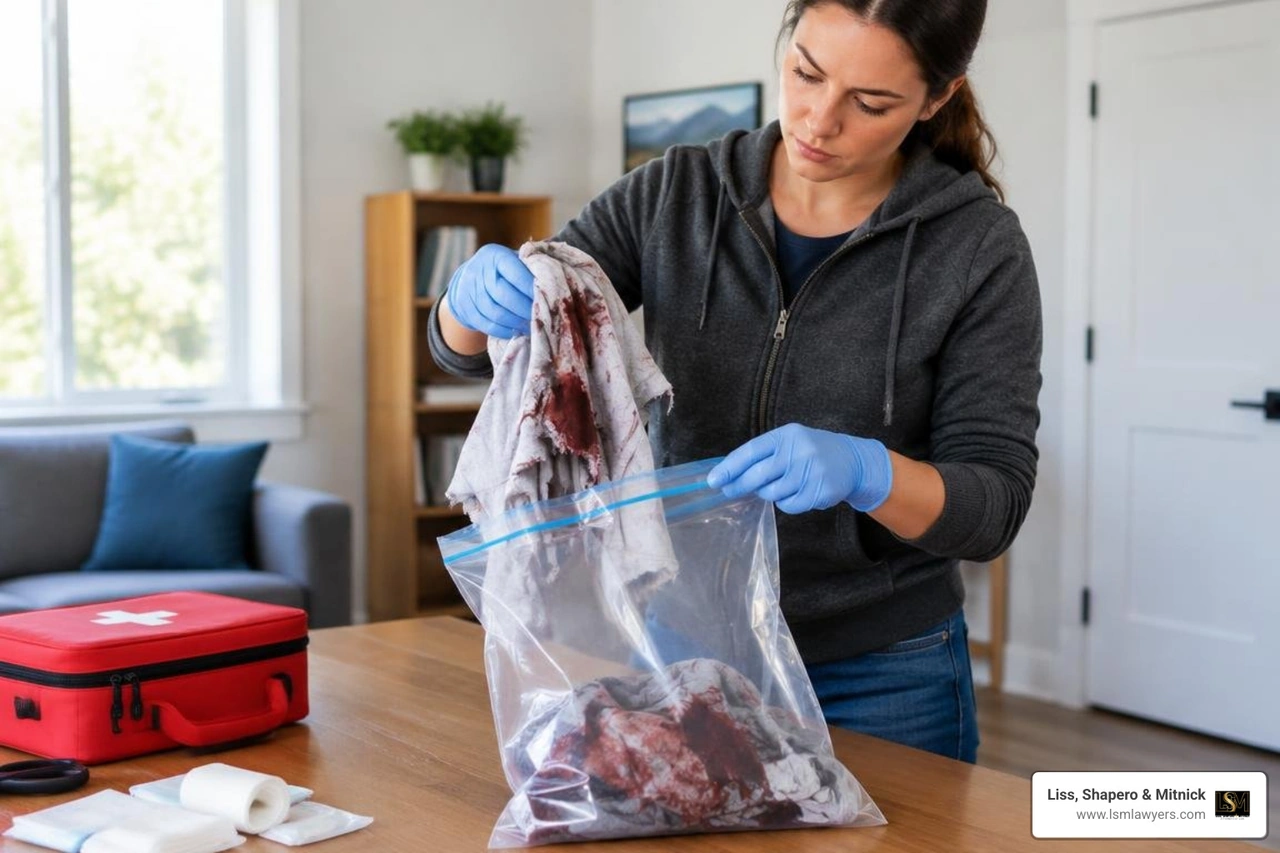
- Preserve Physical Evidence: Keep the unwashed clothes, shoes, and personal items worn during the attack sealed in a clean plastic bag. Bloodstains, saliva, and fabric tears serve as compelling physical proof of the attack's severity.
- Obtain Official Reports: Request copies of police incident reports and local animal control quarantine records. These documents establish the identity of the animal, owner information, and any history of prior neighborhood complaints.
How Professional Dog Attack Legal Help Protects Your Compensation Value
Building a strong case involves far more than simply submitting emergency room bills to an insurance company. Dedicated dog bite attorneys conduct independent investigations, interview witnesses, subpoena animal control records, and identify all available insurance coverage.
Furthermore, an experienced attorney negotiates directly with health insurance carriers to resolve subrogation liens. Health insurers often demand reimbursement from your settlement; skilled legal counsel works to reduce these liens, keeping more money in your pocket to support your ongoing recovery.
Calculating Damages: Settlements and Insurance Coverage
Severe dog attacks bring overwhelming financial burdens. Critical medical care, trauma surgery, and hospital stays often exceed $30,000 within the first week alone. Accurately evaluating total dog bite claim value requires calculating both current losses and expenses you will face years down the road.
Recoverable Economic and Non-Economic Damages
Under personal injury law, victims can pursue two primary categories of damages:
Economic Damages (Measurable Financial Losses):
- Emergency room visits, hospital stays, and surgical fees
- Future reconstructive and scar revision procedures
- Prescription medications, antibiotics, and wound dressings
- Physical and occupational therapy
- Psychological counseling and trauma therapy
- Lost wages from missed work and reduced future earning capacity
Non-Economic Damages (Intangible Losses):
- Physical pain and ongoing discomfort
- Permanent scarring, keloid formation, and disfigurement
- Emotional trauma, including PTSD, phobias, and sleep disorders
- Loss of enjoyment of life and daily activities
Average Dog Bite Settlement Amounts and Policy Limits
While nationwide data indicates the average dog bite settlement often ranges between $30,000 and $50,000 for moderate injuries, severe cases involving permanent facial disfigurement, nerve damage, or extensive surgical interventions routinely settle for substantially higher figures.
Standard homeowner liability policies typically provide coverage limits between $100,000 and $300,000, while umbrella policies can extend coverage up to $1,000,000 or more. If an injury exceeds policy limits, a seasoned attorney will explore all possible avenues of recovery, including secondary insurance policies, landlord liability, or property owner negligence.
Frequently Asked Questions About Dog Bite Lawsuits
How long do I have to file a dog bite lawsuit after an attack?
Every state enforces a strict statute of limitations that sets a firm deadline for filing a personal injury lawsuit:
- Michigan: Generally three years from the date of the attack.
- Illinois: Generally two years from the date of the attack.
Exceptions exist for minors and legally incapacitated individuals, which may extend these statutory windows. However, waiting until the deadline approaches can severely damage your claim. Physical evidence disappears, witnesses move, and surveillance video is routinely overwritten. Contacting an attorney as early as possible ensures your legal rights remain fully protected.
What if the dog has never shown aggression or bitten anyone before?
In strict liability states like Michigan and Illinois, the dog’s prior behavioral history does not prevent you from recovering compensation. The common law "one-free-bite" rule does not apply. As long as you were lawfully present in a public space or on private property and did not intentionally provoke the animal, the owner remains financially liable for your damages from the very first bite.
Are dog bite injuries covered by homeowners or renters insurance?
Yes. The vast majority of dog bite claims are resolved through the dog owner’s homeowners or renters insurance policy. Victims are often hesitant to seek legal help because the dog belongs to a neighbor, friend, or family member. It is essential to recognize that an injury claim is filed against the insurance company that was paid premiums to cover these exact incidents—not as a direct personal attack on your acquaintance.
Conclusion
Recovering from a serious dog attack is physically exhausting and emotionally draining. You should not have to navigate aggressive insurance adjusters or complex legal statutes on your own.
At Liss, Shapero & Mitnick, our legal team brings decades of trial experience and deep insight into insurance defense tactics to fight for every dollar our clients deserve. Before you accept an initial settlement offer from an adjuster, take the time to protect your future by reviewing dog bite scar timelines and claim value drivers.
If you or a loved one has suffered injuries from an animal attack, reach out to Anthony Shapero and the dedicated personal injury team at Liss, Shapero & Mitnick today for a free, confidential case evaluation. We are here to stand in your corner, level the playing field, and secure the full compensation you need to heal.