
How to Claim Compensation for Dog Attack Scars in Michigan
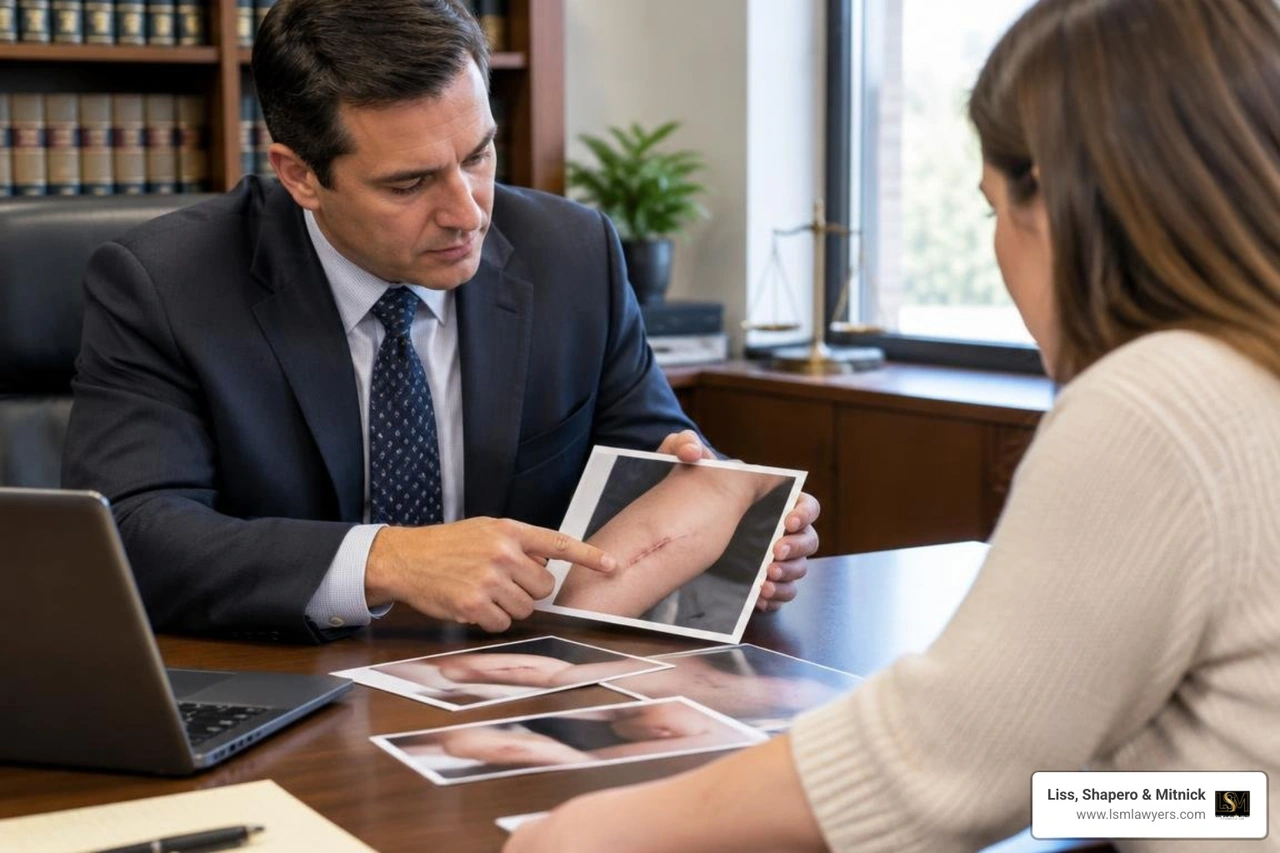
To pursue dog attack scar compensation in Michigan, get medical care, report the bite to animal control, and take dated photos as the wound heals. Keep your medical bills, records of missed work, and any treatment plans. A claim may cover those financial losses, future scar treatment, and the pain and distress caused by lasting disfigurement.
Do not settle based only on the first hospital bill. A scar can change as it heals, and a specialist may recommend treatment months later. That long-term impact matters when an insurer values your claim.
I’m Anthony Shapero, managing partner at Liss, Shapero & Mitnick. My years representing insurers before injured people help me spot what an adjuster may overlook in a dog attack scar compensation claim.
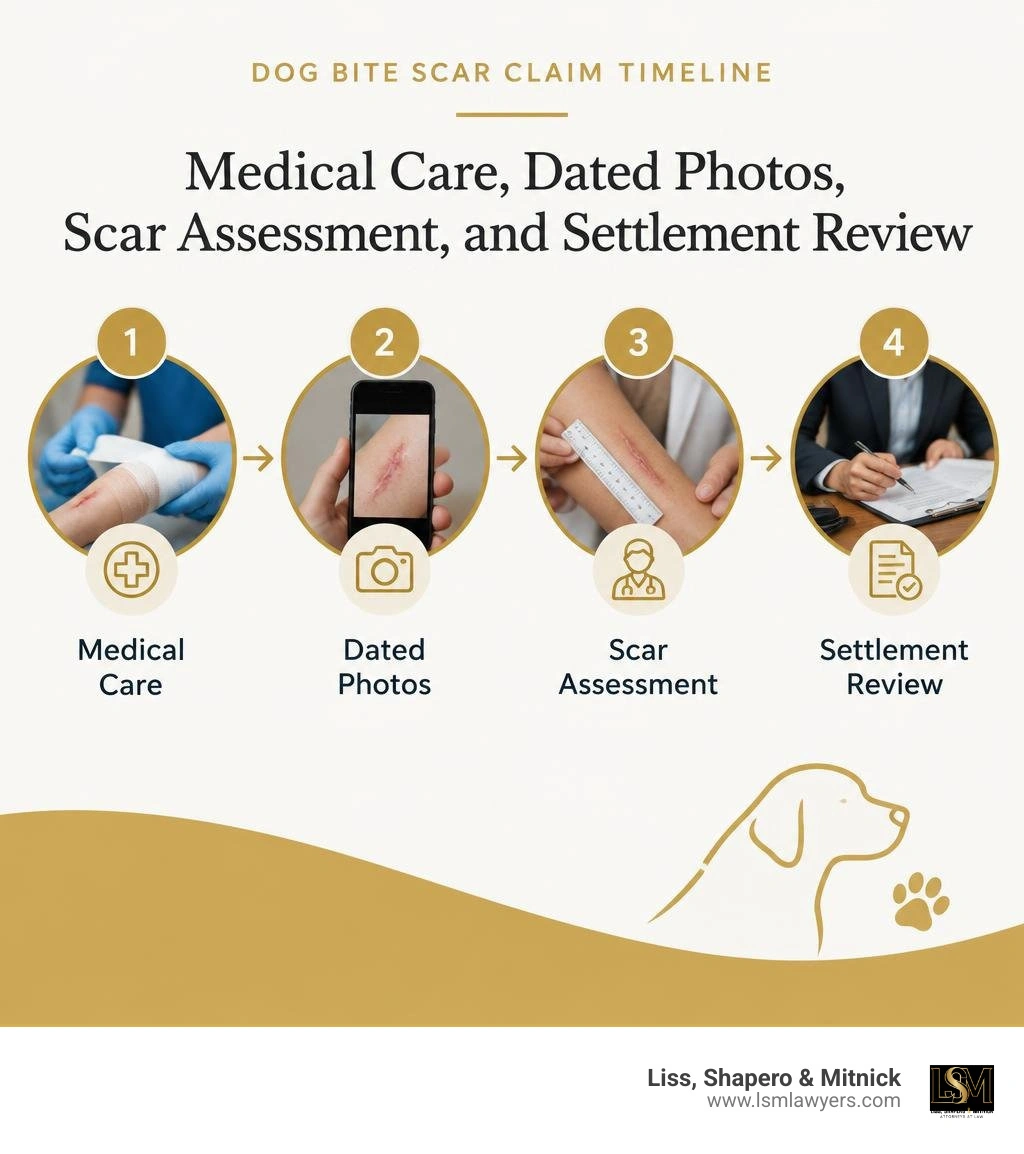
Simple dog attack scar compensation glossary:
Types of Damages Included in a Dog Bite Scar Settlement
When a dog attacks, the damage extends beyond initial emergency room stitches. Scar tissue from animal attacks behaves differently than a clean surgical incision because canine jaws crush, tear, and avulse flesh. Under Michigan personal injury law, victims are entitled to pursue two fundamental categories of damages: economic damages (tangible, out-of-pocket financial losses) and non-economic damages (intangible physical pain, emotional suffering, and permanent disfigurement).
Securing an accurate financial recovery requires evaluating both immediate losses and the lifetime consequences of dog bite scarring. Insurance adjusters routinely attempt to pigeonhole scar claims into basic medical payment schedules, ignoring how permanent physical alterations impair daily life. A comprehensive claim detailed in our Dog Bite Injury Guide 2026 accounts for every layer of physical, financial, and emotional harm.
Past and Future Medical Expenses for Scar Revision
Initial emergency treatment focuses on infection control and primary wound closure. However, emergency room doctors prioritize preventing sepsis and closing gaping flesh—not cosmetic aesthetic outcomes. As a result, victims often develop raised, jagged, or hyperpigmented scars that demand extensive follow-up care.
Recoverable medical damages include:
- Initial trauma interventions, such as debridement, rabies prophylaxis, and deep wound closure
- Treatment for secondary trauma, such as draining a hematoma after dog bite complications
- Consultations with board-certified plastic surgeons for surgical scar revisions (such as Z-plasty or W-plasty tissue realignment)
- Laser resurfacing treatments to reduce redness and soften raised collagen bands
- Corticosteroid injections to flatten thick keloid or hypertrophic scar tissue
- Full reconstructive skin grafts for avulsion injuries where tissue was torn away
Because private health insurance plans often deny scar revision procedures by categorizing them as elective cosmetic surgery, recovering these projected costs from the responsible party’s insurer is essential. Exploring options for dog bite cosmetic surgery early provides the documented surgical estimates necessary to substantiate future medical demands.
Physical Pain, Suffering, and Long-Term Psychological Distress
Non-economic damages address the human toll of an attack. Scars are not merely visual; deep bite wounds regularly cause permanent nerve damage, sensory loss, chronic tightness, and physical discomfort during movement.
The psychological aftermath is equally devastating. Physical disfigurement serves as an inescapable daily reminder of the attack, frequently leading to:
- Post-Traumatic Stress Disorder (PTSD) triggered by encounters with animals
- Cynophobia (an overwhelming, debilitating fear of dogs)
- Severe social anxiety, self-consciousness, and withdrawal from public life
- Clinical depression stemming from altered self-image and visible bodily changes
- Sleep disturbances, night terrors, and chronic insomnia
The overall dog bite scar injury severity strongly correlates with the intensity of emotional distress. Michigan law allows victims to recover compensation for this diminished quality of life, ensuring that the mental trauma of permanent disfigurement is fully recognized.
Lost Wages and Diminished Earning Capacity
Severe dog bites often force victims out of work during acute healing, physical therapy sessions, and surgical revision recoveries. Beyond immediate missed wages, permanent visible scarring can directly alter long-term career trajectories.
For professionals working in public-facing, client-centric, or media-driven industries—such as sales representatives, corporate executives, hospitality managers, and educators—prominent facial or hand disfigurement can undermine self-confidence and hinder advancement. When an injury permanently impairs professional presentation or limits physical hand dexterity needed for specialized trades, compensation can include damages for diminished earning capacity and vocational retraining.
Key Factors That Determine Dog Attack Scar Compensation

Calculating the value of a scarring claim is never an arbitrary guessing game. Insurance adjusters and juries analyze specific clinical and lifestyle variables to determine compensation amounts. In general legal practice, non-economic damages for pain and disfigurement often range between 1.5 and 4 times the total economic damages, though severe, disfiguring facial injuries can exceed these standard benchmarks.
To evaluate claim value, legal teams assess the scar's physical characteristics alongside its day-to-day impact:
| Valuation Factor | Low-to-Moderate Impact | High-to-Severe Impact |
|---|---|---|
| Anatomical Location | Concealed areas (back, upper thigh, torso) | Constantly exposed areas (face, neck, hands) |
| Tissue Texture | Flat, supple, well-matched skin tone | Keloid, hypertrophic, jagged, or indented |
| Functional Impairment | No mobility restrictions or nerve deficits | Nerve damage, numbness, contracture over joints |
| Victim Age | Older adults with stable tissue elasticity | Young children with ongoing facial bone growth |
| Psychological Harm | Temporary distress, mild apprehension | Diagnosed PTSD, severe phobia, clinical depression |
Understanding how adjusters evaluate these variables is crucial to establishing true dog bite claim value.
How Location and Visibility Shape Dog Attack Scar Compensation
Location is one of the most critical drivers of settlement value. Scars on the face, neck, lips, ears, and hands carry significantly greater legal weight than scars located on the back or legs simply because they cannot be hidden beneath standard clothing.
Facial lacerations fundamentally distort personal identity, facial expressions, and symmetry. When a dog bite tears across the cheek, lip margin, or eyelid, the visual disruption affects every social interaction. Insurance adjusters recognize that juries respond strongly to visible facial disfigurement, making exposed scars worth substantially more during settlement negotiations.
Why Age and Scar Maturation Impact Children and Adults Differently
Age plays a vital role in both medical prognosis and legal strategy. Young children are disproportionately victimized by dog attacks because their height places their faces directly at canine muzzle level.
Pediatric scar claims present unique complications:
- Facial Bone Growth and Migration: As a child grows, scar tissue does not expand at the same rate as healthy surrounding skin. A scar across a toddler’s cheek can tighten, stretch, and migrate toward the eye or jawline during adolescent growth spurts.
- Delayed Revision Surgeries: Plastic surgeons routinely advise against performing definitive scar revisions on children until their facial skeletal structure fully matures in late adolescence.
- Childhood Bullying and Developmental Trauma: Visible disfigurement during formative school years frequently leads to peer teasing, social isolation, and long-lasting self-esteem deficits.
Because scar tissue takes 6 to 12 months to biologically mature in adults—and years to stabilize in growing children—rushing into a settlement is a critical mistake. For minors, settlements are typically structured into court-approved protected trusts or annuities to fund future reconstructive care once the child reaches adulthood.
How Liability Laws and Insurance Policies Impact Scarring Claims
Recovering fair compensation requires identifying legal liability and accessing adequate insurance policy limits. Without understanding the interplay between Michigan tort law and homeowner policy exclusions, even severe injury claims can run into unexpected legal roadblocks.
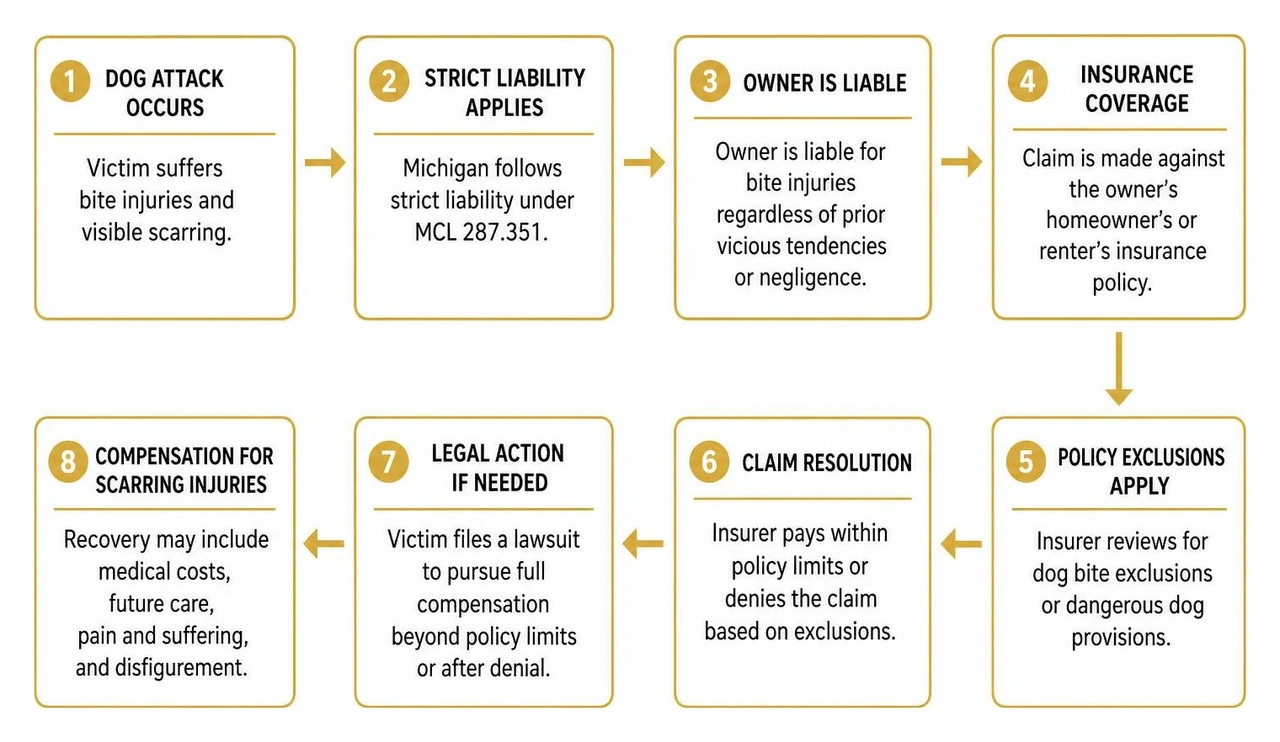
A clear roadmap of the legal process is detailed in our overview of the dog bite court case timeline.
Strict Liability vs. Negligence and Provocation Defenses
Michigan is a strict liability state regarding dog attacks under Michigan Compiled Laws (MCL 287.351). Under this statute, a dog owner is liable for bite injuries regardless of whether the animal had ever shown prior vicious tendencies or whether the owner was negligent.
To prevail under Michigan's strict liability statute, an injured victim must establish that:
- The defendant owned the dog that inflicted the bite.
- The bite caused actual physical injury and resulting damages.
- The victim was in a public place or lawfully on private property (including the dog owner's property).
- The victim did not provoke the dog.
Insurance defense attorneys frequently attempt to shield their policyholders by claiming "provocation"—alleging that the victim made a sudden movement, teased the dog, or stepped too close to food bowls. However, Michigan courts recognize that everyday human actions do not constitute legal provocation. Strict liability applies equally during festive public encounters, as highlighted in cases involving dog bites on Halloween costumes, doorbells, and Michigan's strict liability.
Homeowners and Renters Insurance Coverage Limits
Dog bite settlements are almost exclusively paid by insurance companies, not out of the dog owner’s personal checking account. Most claims are filed against the owner’s homeowners, renters, or condominium liability insurance policy. Standard policies typically provide liability limits between $100,000 and $300,000, though some homeowners carry umbrella policies providing $1,000,000 or more in coverage.
Navigating insurance recovery involves key challenges:
- Breed-Specific Exclusions: Some insurance carriers insert clauses excluding coverage for specific breeds (such as Pit Bulls, Rottweilers, or German Shepherds).
- Animal Liability Waivers: Policyholders who previously concealed an aggressive pet may find their coverage challenged by the insurer.
- Landlord Liability: If an attack occurs on a rental property and the landlord knew a tenant was harboring a demonstrably dangerous animal in common areas, a secondary claim may exist against the property owner's commercial liability policy.
Understanding the mechanics of a homeowners insurance dog bite claim in Michigan allows victims to identify every applicable insurance policy and maximize financial recovery.
Step-by-Step Protocol to Build a Strong Scar Injury Claim
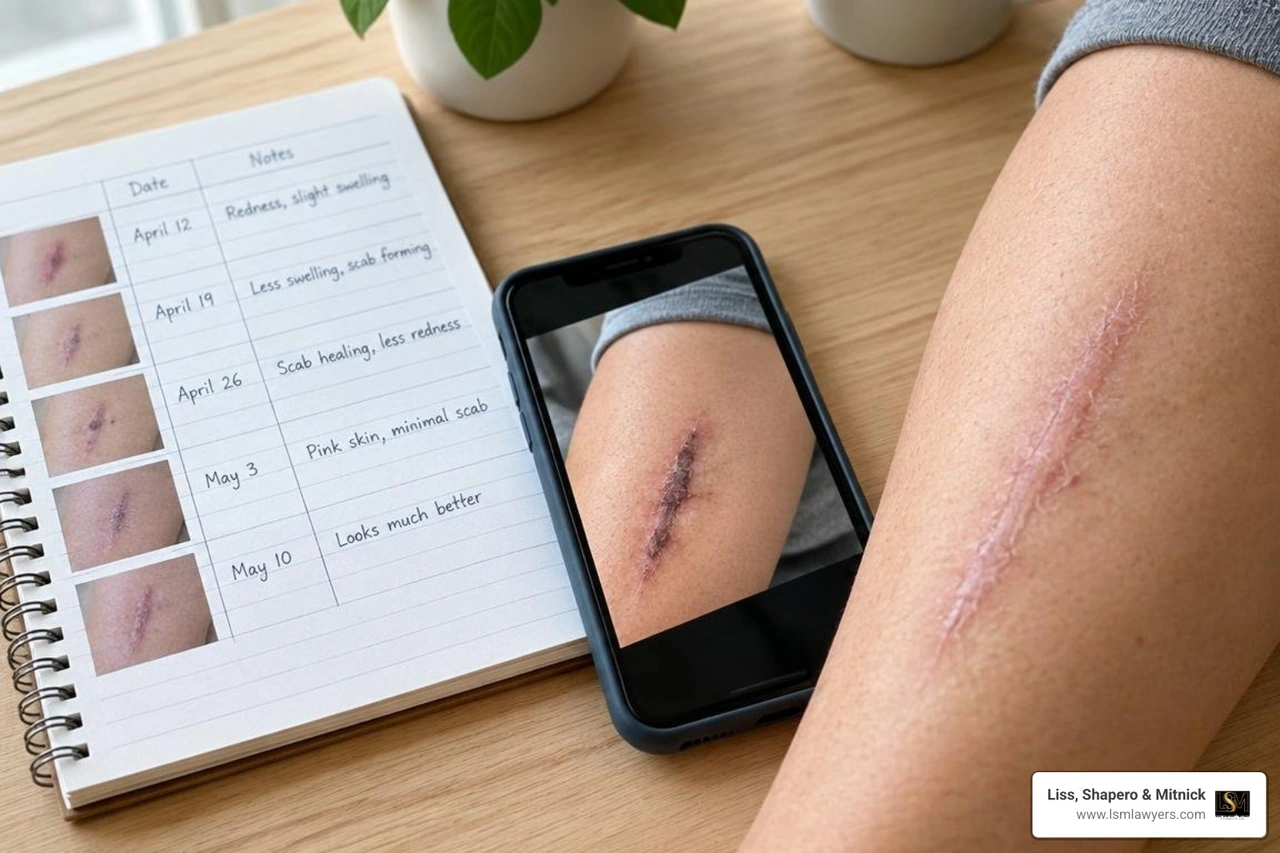
Proving the lasting value of a scar requires disciplined evidence gathering from the day of the attack through final scar maturation. Insurance adjusters look for gaps in treatment to argue that an injury has fully resolved.
For immediate support after an attack, seek professional dog attack legal help to ensure critical evidence is preserved immediately.
Step-by-Step Actions to Secure Dog Attack Scar Compensation
Following a disciplined post-bite protocol ensures your legal rights remain intact:
- Obtain Immediate Emergency Medical Care: Go directly to an emergency department or urgent care facility. Prompt cleaning, debridement, and suturing establish official medical records linking the scar directly to the canine attack.
- Report the Attack to Municipal Authorities: File a formal bite report with local police and animal control. This establishes public documentation, initiates mandatory rabies quarantine protocols, and reveals any history of prior neighborhood complaints.
- Maintain a Chronological Photographic Log: Photograph the fresh bite wounds before suturing, during initial healing, and weekly under consistent, natural lighting. A dated photo series provides indisputable visual proof of how the scar developed over time.
- Schedule a Plastic Surgery Prognosis Consultation: After 6 to 12 months, consult a board-certified plastic surgeon to obtain a narrative report detailing permanent tissue damage, sensory deficits, and itemized cost projections for future revision surgeries.
- Document Psychological and Emotional Impact: If you or your child experience anxiety, nightmares, or a fear of dogs, consult a licensed psychologist or clinical therapist. Professional therapy records validate the non-economic damages requested in your demand.
Resolving Claims Through Settlement Negotiations vs. Small Claims Court
Minor dog bite disputes with limited damages sometimes proceed without legal counsel under formal guidelines for dog bite claims and small claims procedures. In Michigan, however, small claims courts carry strict statutory monetary limits (capped at $7,000), and attorneys are not permitted to represent parties during hearings.
Because permanent dog bite scars, surgical revisions, and long-term psychological therapy routinely exceed small claims limits, severe scarring cases belong in Michigan District or Circuit Courts.
A strategic personal injury attorney prepares a comprehensive settlement demand package containing:
- Complete emergency, surgical, and therapy medical records
- Itemized wage loss verification from employers
- Plastic surgery narrative reports outlining future revision costs
- High-resolution photographic timelines showing permanent disfigurement
- Non-economic damage calculations reflecting pain, trauma, and lifestyle disruption
If the insurance carrier refuses to offer a fair settlement that covers future medical interventions and permanent disfigurement, filing a formal civil lawsuit shifts the leverage back to the victim.
Frequently Asked Questions About Dog Bite Scar Claims
How long should I wait after a dog attack before settling a scar injury claim?
You should generally wait at least 6 to 12 months after the attack before entering final settlement negotiations. Scar tissue undergoes an extended biological maturation process, transitioning from an inflamed, raised state to its permanent color and texture. Settling prematurely forces you to sign a complete liability release waiver, permanently barring you from recovering additional funds if the scar thickens into a keloid or requires unexpected revision surgery later.
Can I claim compensation for emotional trauma and fear of dogs without a physical scar?
Yes. While physical scarring offers clear visual evidence of trauma, Michigan personal injury law allows victims to claim damages for psychological injuries alone—such as diagnosed PTSD, panic disorders, and cynophobia. However, standalone emotional trauma claims require clinical documentation from licensed mental health professionals (such as psychiatrists or psychologists) establishing that the psychological distress directly stems from the animal attack and impairs daily living.
What happens if the dog owner does not have insurance coverage?
If the dog owner is uninsured, does not own real estate, or carries a policy with an animal liability exclusion, your legal team will conduct an asset investigation to determine if filing a direct personal lawsuit is viable. If the defendant possesses verifiable assets, savings, or income, an attorney can obtain a civil court judgment and pursue wage garnishment or property liens. Additionally, if the attack occurred on leased premises where a landlord negligently permitted a known vicious dog, liability coverage may be available through the landlord’s insurance policy.
Conclusion
A dog attack happens in seconds, but the physical and emotional scars can last a lifetime. Insurance adjusters are trained to minimize payout amounts by focusing solely on initial medical bills, deliberately overlooking the long-term cost of plastic surgery, scar revision, and the ongoing psychological impact of permanent disfigurement.
At Liss, Shapero & Mitnick, our legal team draws upon decades of former insurance-defense experience to anticipate insurer tactics, counter lowball settlement offers, and build unassailable evidence portfolios. Michigan's personal injury statute of limitations sets a strict deadline to file your claim, making early action essential. Protect your rights by reviewing our guide on dog bite scars, medical timelines, photos, and claim value drivers to pursue the full compensation you deserve.
Anthony Shapero
Managing Partner, Liss, Shapero & Mitnick